Louisville spends one Saturday in May wearing a hat. The other 364 days, the city runs on a giant baseball bat, an underground quarry turned adventure park, and a cemetery where the most famous grave belongs to a fried-chicken salesman. None of what follows requires Derby-week planning, Derby-week prices, or a fascinator. This page contains affiliate links. For flights, start here, and for hotels, here.
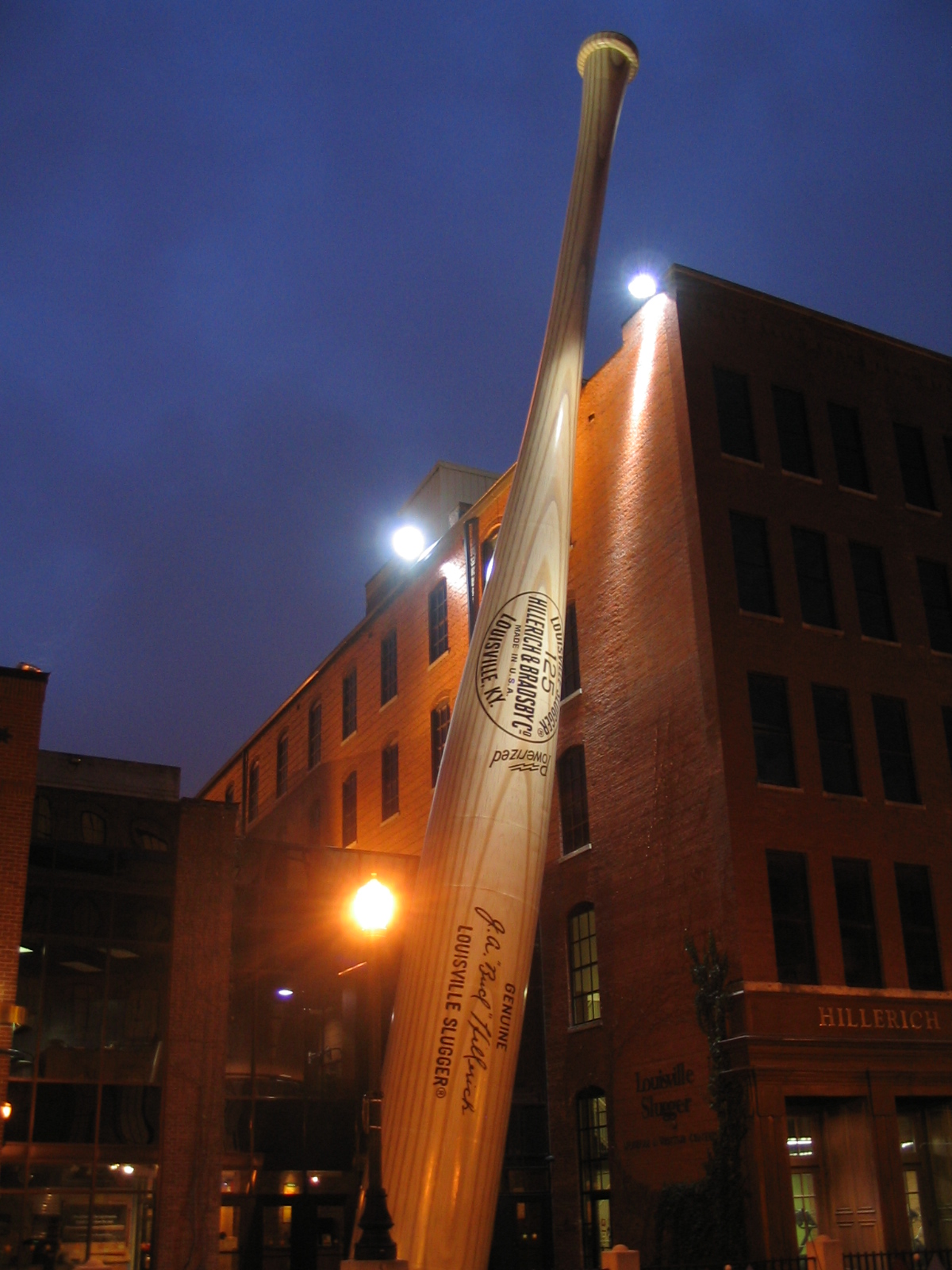
Louisville Slugger Museum & Factory
You can’t miss the building: a 120-foot steel baseball bat leans against the front of it on Main Street. Hillerich & Bradsby has made bats here since 1884, when Bud Hillerich turned one for Louisville Eclipse player Pete Browning, and the Louisville Slugger name has been trademarked since 1894. The museum and working factory opened in 1996, with a gala reportedly attended by Hall of Famers including Ted Williams, Stan Musial, and Ernie Banks.
The tour walks through the actual bat-turning floor, not a recreation of one, and every visitor leaves with a free mini bat. It’s one of the few museum tours in the country built around a factory that’s still shipping product.
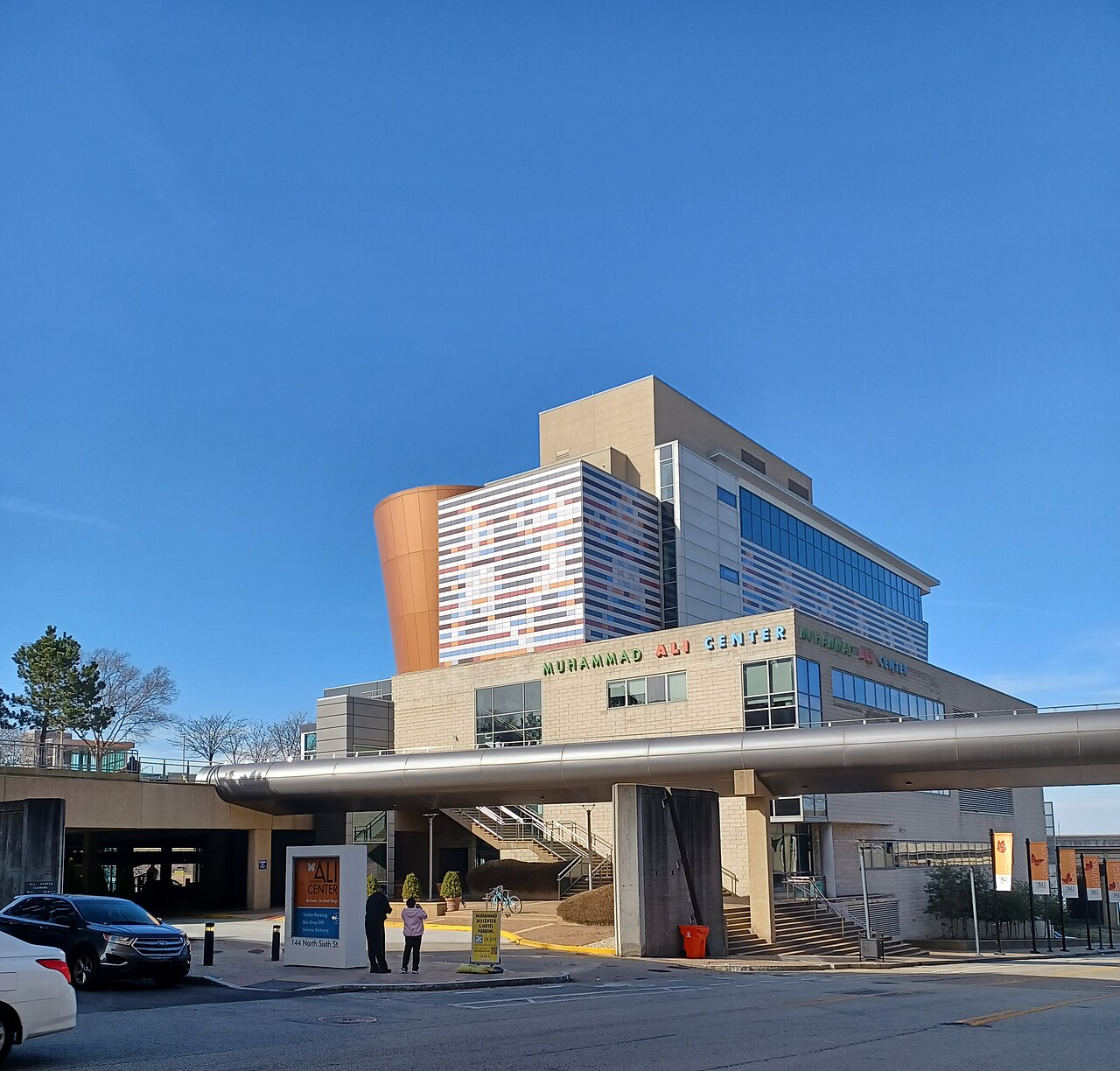
Muhammad Ali Center
Ali was born and raised in Louisville, and the center he founded with his wife Lonnie opened downtown in November 2005 after a roughly $80 million build. The six-story building is organized around Ali’s six core values — respect, confidence, conviction, dedication, giving, and spirituality — rather than a straightforward boxing timeline.
A recreated training-camp boxing ring and a pavilion of memorabilia anchor the collection, but the center reads more like a civil rights and humanitarian museum than a sports hall of fame, which is closer to how Ali wanted to be remembered.
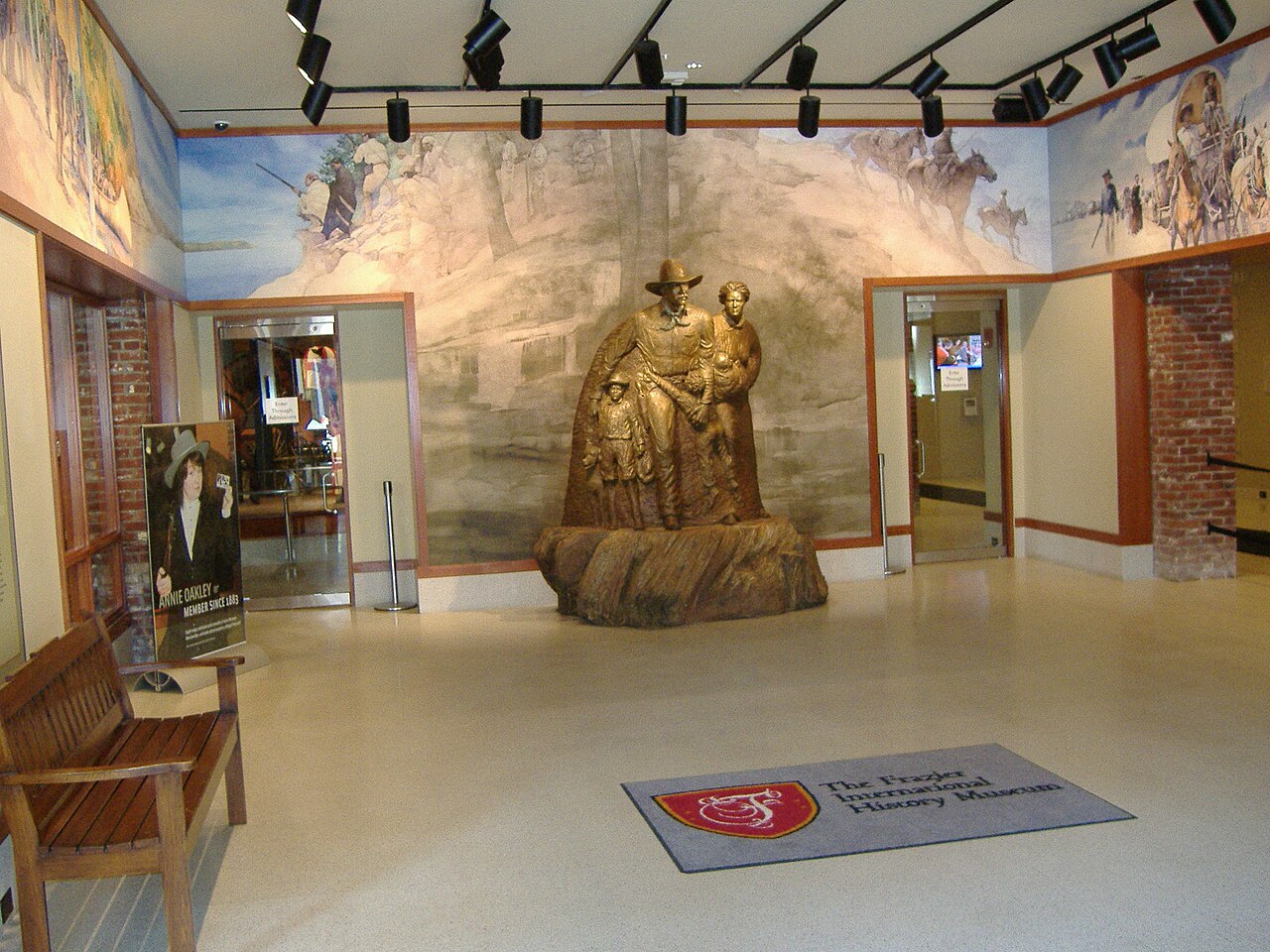
Frazier History Museum
Worth clearing up first: this is not the Kentucky Derby Museum, which sits on the Churchill Downs grounds and focuses on racing. The Frazier, founded by philanthropist Owsley Brown Frazier and opened in 2004, started as an arms and armor collection — a passion Frazier traced back to a rifle he lost in the catastrophic 1974 Super Outbreak tornado — and has since grown into a broad Kentucky history museum and Smithsonian affiliate.
It sits on downtown’s Museum Row alongside the Kentucky Science Center and offers bourbon tastings alongside its rotating history exhibits, occasionally partnering with Churchill Downs on Derby Week pop-ups without being a horse-racing museum itself.
Waterfront Park
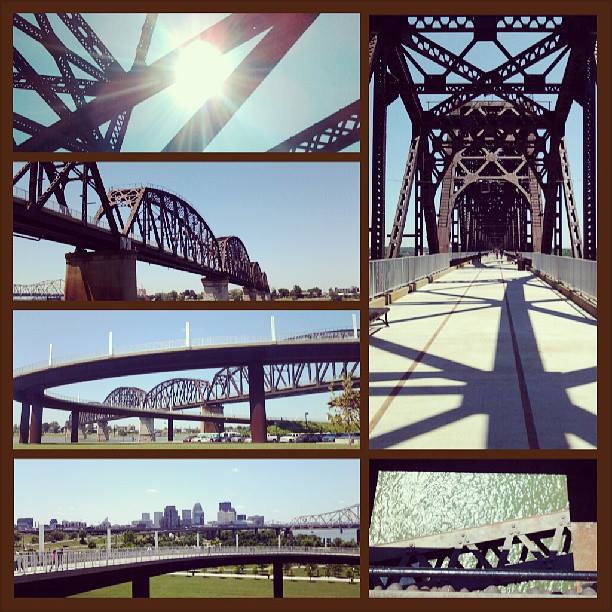
An 85-acre park built on former industrial brownfield land along the Ohio River, opened in phases starting July 4, 1999. The 2005 addition converted the historic Big Four Bridge into a pedestrian and bike bridge connecting downtown Louisville to Jeffersonville, Indiana — a walk that’s free, year-round, and gives one of the better skyline views in the city.
The park draws more than two million visitors a year and hosts most of Louisville’s outdoor festivals and concerts, including the Forecastle Festival, a music, art, and activism gathering founded in 2002 that now pulls upward of 75,000 people.
Louisville Mega Cavern
A former limestone quarry mined for roughly 42 years before closing in the 1970s, the Mega Cavern was later designated a Cold War-era fallout shelter rated for around 50,000 people. Today its four million square feet make it the largest building in Kentucky, repurposed into tram tours, an underground zipline course, and what’s billed as the world’s only underground aerial ropes challenge course.
It’s a genuinely strange way to spend an afternoon — a constant 58 degrees underground regardless of the weather outside, which makes it one of the few Louisville attractions that’s just as good in August as it is in January.
Speed Art Museum
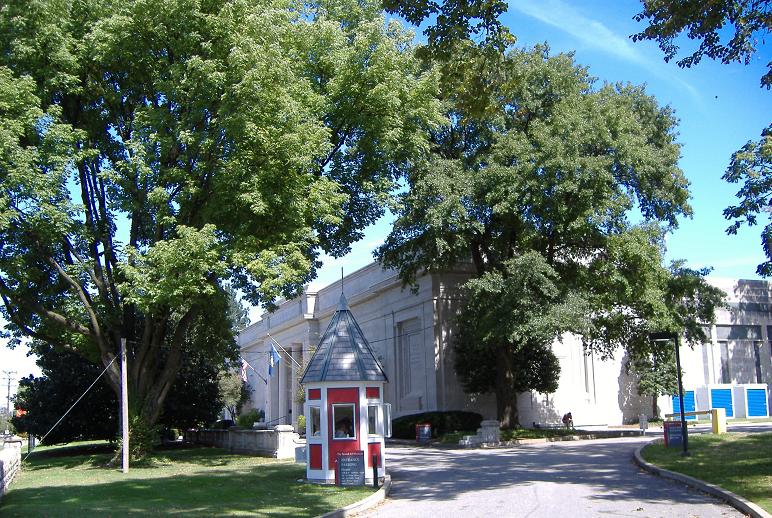
Kentucky’s oldest and largest art museum opened in 1925 as the J.B. Speed Memorial Museum, founded by Hattie Bishop Speed as a memorial to her husband, businessman James Breckinridge Speed. It sits near the University of Louisville campus and underwent a $60 million renovation and expansion, completed in 2016, that added a glass-enclosed atrium and cinema alongside the original 1927 building.
The permanent collection runs from ancient Egyptian and Roman pieces through contemporary work, giving it a range most cities Louisville’s size don’t have in a single building.
Cave Hill Cemetery
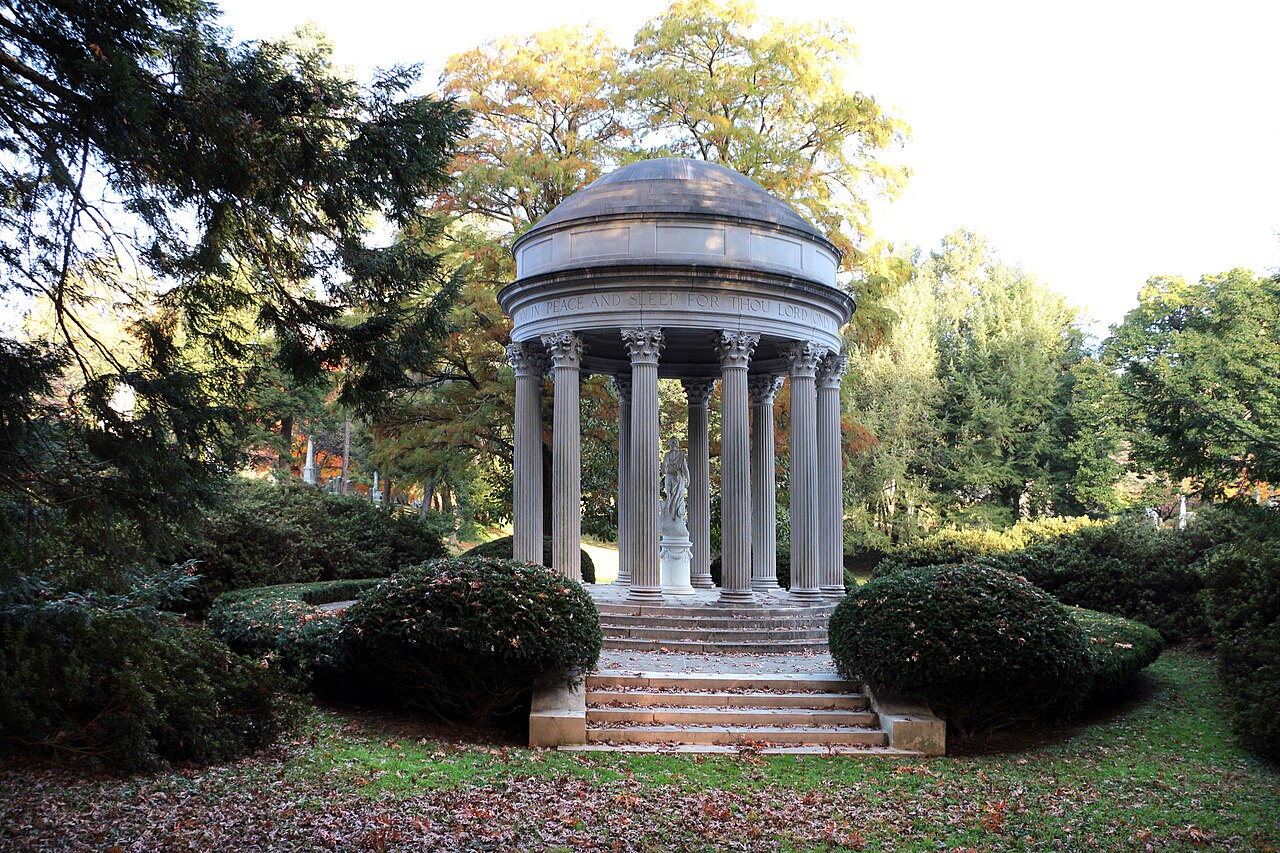
A 296-acre garden cemetery that functions as an informal arboretum as much as a burial ground, Cave Hill is the final resting place of Muhammad Ali, buried here in June 2016, and of Colonel Harland Sanders, the KFC founder, whose bronze bust — sculpted by his daughter Margaret — marks the cemetery’s most-visited grave.
Patty and Mildred Hill, the sisters who composed “Happy Birthday to You,” are buried here as well, alongside more than 5,500 Civil War-era soldiers. Walking or driving through is free and self-guided, and the grounds are as much a quiet city park as a cemetery.
Planning Around the Calendar
Beyond Forecastle, the St. James Court Art Show has run in Old Louisville every first weekend of October since 1957, drawing roughly 700 artisans and 300,000 visitors to one of the country’s oldest outdoor art fairs. None of this requires a Derby-week hotel premium. Compare flights into Louisville and browse Louisville hotels to plan a visit around whichever season suits you.
Sources and further reading
- Louisville Slugger Museum & Factory history via Hillerich & Bradsby Co.
- Muhammad Ali Center history
- Frazier History Museum background, via the museum and Smithsonian Affiliations
- Waterfront Park development history via the Waterfront Development Corporation
- Louisville Mega Cavern history
- Speed Art Museum history
- Cave Hill Cemetery notable burials
- Photos via Wikimedia Commons (Ken Lund, Adjoajo, Washedwithblood7, Sailko, and public domain contributors)
- This page contains affiliate links
More from Louisville
Muhammad Ali
The city’s most famous son, and the Ali Center is one of the year-round stops worth the visit.
Louisville’s Best Bourbon Distillery Tours (Any Time of Year)
Four distilleries within walking distance downtown, no Derby ticket required.
Historical Timeline of Louisville
The fuller history behind the sites on this list.