
Foster Brooks was born in Louisville, Kentucky, in 1912 and left school after the sixth grade, but it was a deep baritone voice, not an education, that got him his start. At twenty-one he talked his way into a staff announcer’s job at WHAS radio, and within a few years his live reporting on one of the worst disasters in the city’s history had made him locally famous. Decades later, that same voice, slurred and stumbling on purpose, would make him a national star as television’s favorite “lovable lush.”
Brooks spent nearly four decades in radio and television before Perry Como discovered him at a golf tournament in 1969. What followed was a run of appearances on The Dean Martin Show and The Tonight Show that turned a Louisville radio announcer in his fifties into one of the most recognizable comedians in the country.
A Louisville Childhood and an Early Start in Radio
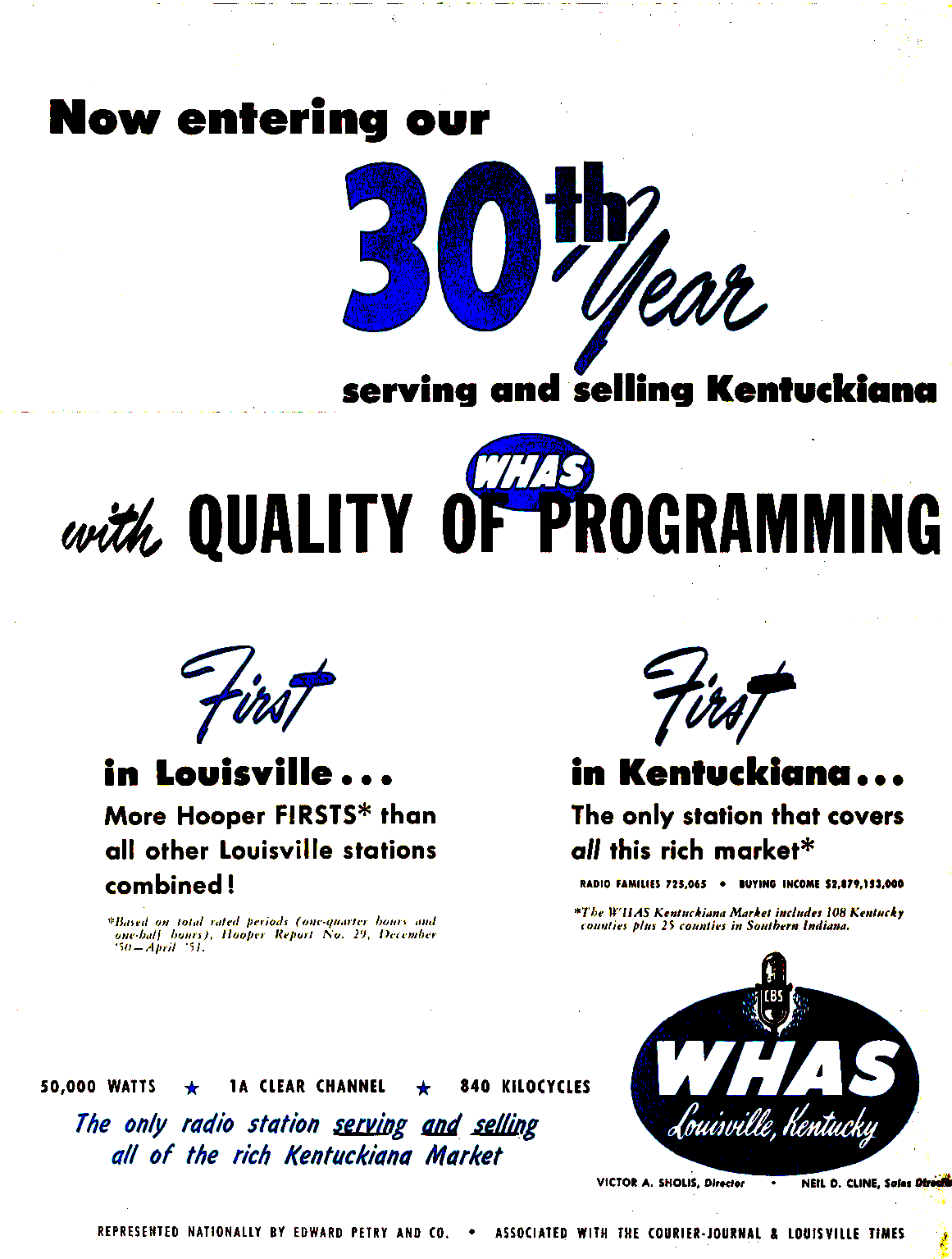
Foster Murrell Brooks was born on May 11, 1912, to Edna and Pleasant M. Brooks, one of eight brothers in a working-class Louisville family. He left school after the sixth grade and worked a series of odd jobs before landing, at age twenty-one, his first radio job at WHAS in 1933. He worked as a staff announcer and singer, his rich baritone voice equally suited to reading commercial copy and performing on air.
Reporting Louisville’s Historic Flood
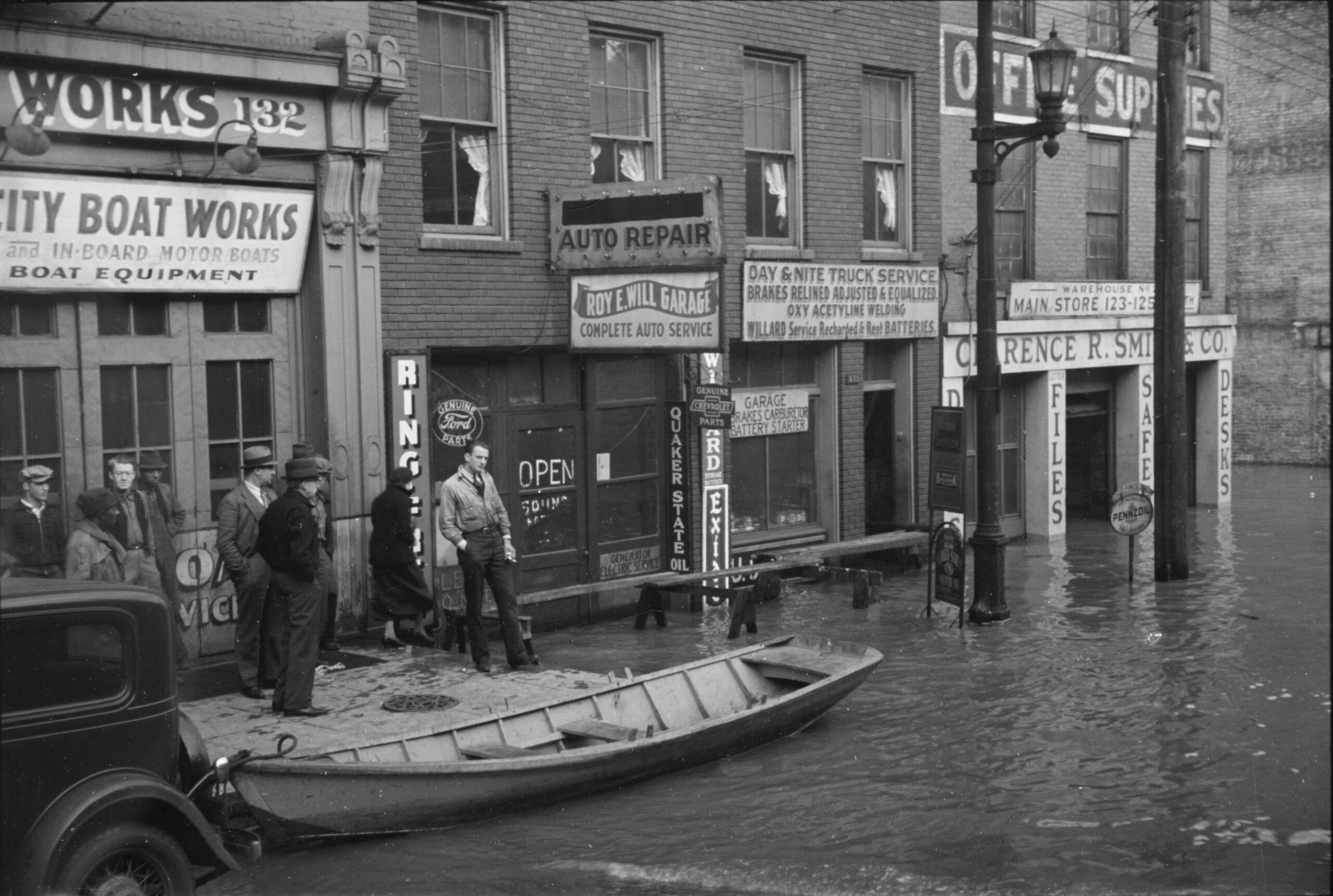
In January 1937, the Ohio River rose to record heights, flooding roughly two-thirds of Louisville and forcing tens of thousands of residents from their homes in one of the worst natural disasters in the city’s history. Brooks was among the WHAS announcers who stayed on the air through the disaster, delivering emergency broadcasts around the clock as the water rose.
His reports were picked up by WSM radio in Nashville and relayed to a wider regional audience desperate for information about the flooding and rescue efforts. The coverage made Brooks a familiar voice across Louisville and gave the young announcer, only twenty-four at the time, his first taste of broadcasting under real pressure.
Building a Career on the Road
Brooks left Louisville in the early 1940s to broaden his radio career, working at WHAM in Rochester, New York, and later at WGR and WKBW in Buffalo, where he hosted programs including The Musical Clock and Million Dollar Ballroom. In Buffalo he also performed with a country and western vocal group called the Hi-Hatters, drawing on the same singing voice that had first gotten him hired at WHAS.
A Late Discovery in Las Vegas
In 1960, Brooks moved his family to Los Angeles hoping for bigger opportunities, but steady work proved hard to find. For years he scraped by with side jobs delivering Christmas mail and phone books, managing an apartment building in North Hollywood, and working as a security guard for the Los Angeles Dodgers, all while picking up small character parts on television between paychecks.
His break finally came in 1969, when television personality Dennis James brought him to a North Carolina charity golf tournament and introduced him to singer Perry Como. Como was impressed enough to insist that Brooks open for him at a Las Vegas hotel, overriding the venue’s objections to hiring an unknown performer in his late fifties.
The Lovable Lush
Brooks’s signature act cast him as a conventioneer who had clearly had one drink too many, mixing up his words and punctuating his sentences with well-timed hiccups and burps. The routine became the basis of a hit comedy album, Foster Brooks: The Lovable Lush, and led to regular appearances on The Dean Martin Show, where he was nominated for an Emmy in 1974, and on the Dean Martin Celebrity Roasts, where he needled fellow comedians and public figures alike.
“A fellow made me a $10 bet I couldn’t quit, and I haven’t had a drink since. At the time I needed the $10.”
— Foster Brooks, on giving up drinking in 1964
The line was typical of Brooks’s own relationship with his most famous character: he had battled alcohol as a younger man, but by the time he became famous for playing a drunk, he had been sober for years and rarely touched a drink.
Television and Film Roles
Beyond his nightclub act, Brooks appeared as a recurring guest on The Tonight Show Starring Johnny Carson and took character roles on series including Gunsmoke, The Beverly Hillbillies, Green Acres, and Adam-12, where he played everything from a sober citizen fighting a parking ticket to a driver stopped for erratic behavior. He had a recurring part as Mr. Sternhagen, Mindy’s boss, on Mork & Mindy, and appeared alongside Sid Caesar and Louis Nye in the 1984 film Cannonball Run II.
He was also a frequent celebrity panelist on Hollywood Squares and Match Game during the 1970s. As public attitudes toward depicting drunkenness for laughs shifted in the 1980s, Brooks gradually moved toward straight character roles and let his singing voice, rather than his hiccup, carry more of his later performances.
Marriage, Family, and a Musical Nephew
Brooks was married first to Loretta Brooks, with whom he had a son and three daughters, one of whom died in infancy. The couple divorced in 1950, and Brooks remarried that same year to Teri Brooks, with whom he had two more daughters.
His brother Tom Brooks stayed in Louisville and became a well-known local entertainer in his own right. Another relative, Brooks’s nephew Randy Brooks, went on to write the novelty Christmas song “Grandma Got Run Over by a Reindeer,” a tune that, like his uncle’s act, found its comedy in a family member who had clearly had too much to drink.
Remembered in Louisville and Beyond
Brooks’s name lived on in his hometown through a celebrity golf tournament benefiting Kosair Charities, and his brother Tom Brooks remained a well-known Louisville entertainer for years after Foster left for the West Coast. Foster Brooks died on December 20, 2001, at his home in Encino, California, from heart failure, at the age of eighty-nine. His last public performance had been a celebrity roast for Zsa Zsa Gabor in Las Vegas, closing out a stage career that began, decades earlier, in a WHAS studio a few blocks from the floodwaters that first put his voice on the air.