Slint never sold many records while they were together, played barely two dozen shows, and broke up before their most important album even found an audience. Decades later, that album is considered one of the most influential rock records ever made, and the band that made it never left Louisville.
Two Bands Become One
Slint formed in Louisville in 1986 out of the wreckage of two local groups, Squirrel Bait and Maurice. The founding lineup, guitarist and singer Brian McMahan, guitarist David Pajo, bassist Ethan Buckler, and drummer Britt Walford, were all still teenagers, part of a tight Louisville underground scene that also produced bands like Rodan and Kinghorse.
Their 1989 debut, Tweez, was recorded with Steve Albini and barely noticed outside Louisville. It gave little hint of what came next, though its jagged, start-stop guitar interplay already showed a band uninterested in conventional song structure.
Making Spiderland
When I heard it, it was unlike anything I’d heard before. I still don’t know if I have heard anything else like it.
— Stuart Braithwaite of Mogwai, on first hearing Spiderland
In August 1990, with Todd Brashear now on bass, the band spent four days recording what became Spiderland, released in March 1991 on Touch and Go Records. The record is quiet, tense, and largely without conventional choruses, built from sparse guitar lines, whispered near-spoken vocals, and sudden bursts of volume. Critics later credited it as a foundational document of post-rock and math rock, genres that barely existed as concepts when the album came out.
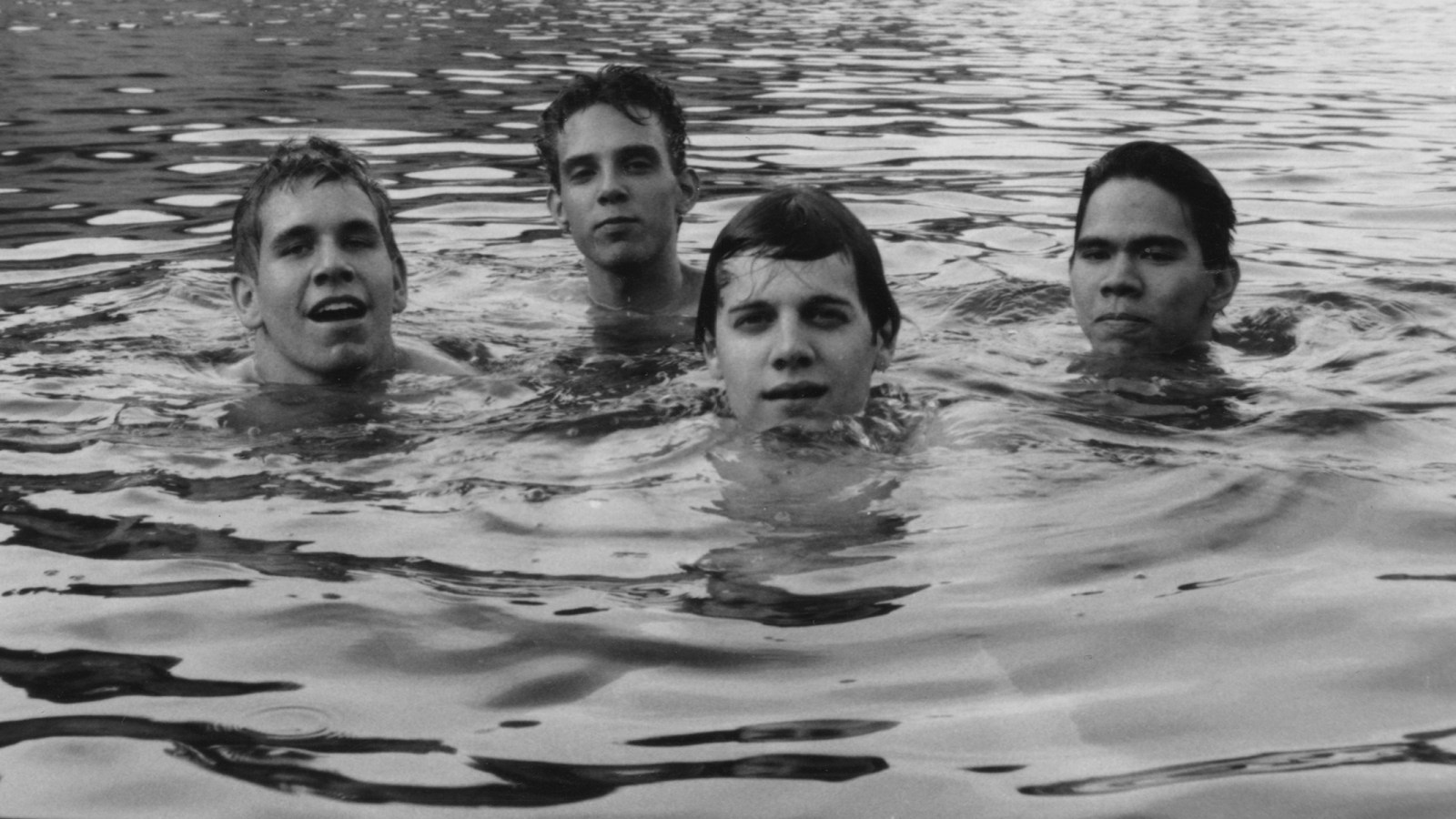
The cover photograph, a grainy black-and-white shot of the four members treading water in that quarry, has become nearly as iconic as the music itself, reprinted on t-shirts and posters for a band that broke up before most people had heard a single track.
Slint broke up before Spiderland was even released, worn down by the recording process and, as later interviews revealed, real struggles with their mental health at the time. The album arrived to almost no attention and went out of print within a year.
Where the Members Went Next
The band’s breakup did not end its members’ careers.
David Pajo went on to play in Tortoise, Papa M, and briefly in Billy Corgan’s post-Smashing Pumpkins band Zwan.
Britt Walford, using the pseudonym Mike Hunt, drummed on the Breeders’ 1990 album Pod.
Brian McMahan later formed the more subdued, almost ambient project The For Carnation.
Each carried a version of Slint’s patient, tension-and-release approach into different corners of independent music.
A Legacy Built After the Fact
Spiderland found its real audience slowly, through tape trading and word of mouth, then through the bands it visibly shaped: Mogwai, Tortoise, Explosions in the Sky, and much of the post-rock movement of the 1990s and 2000s all point back to it.
Touch and Go reissued the album, and a 2014 box set and documentary, Breadcrumb Trail, finally told the band’s own story on their terms.
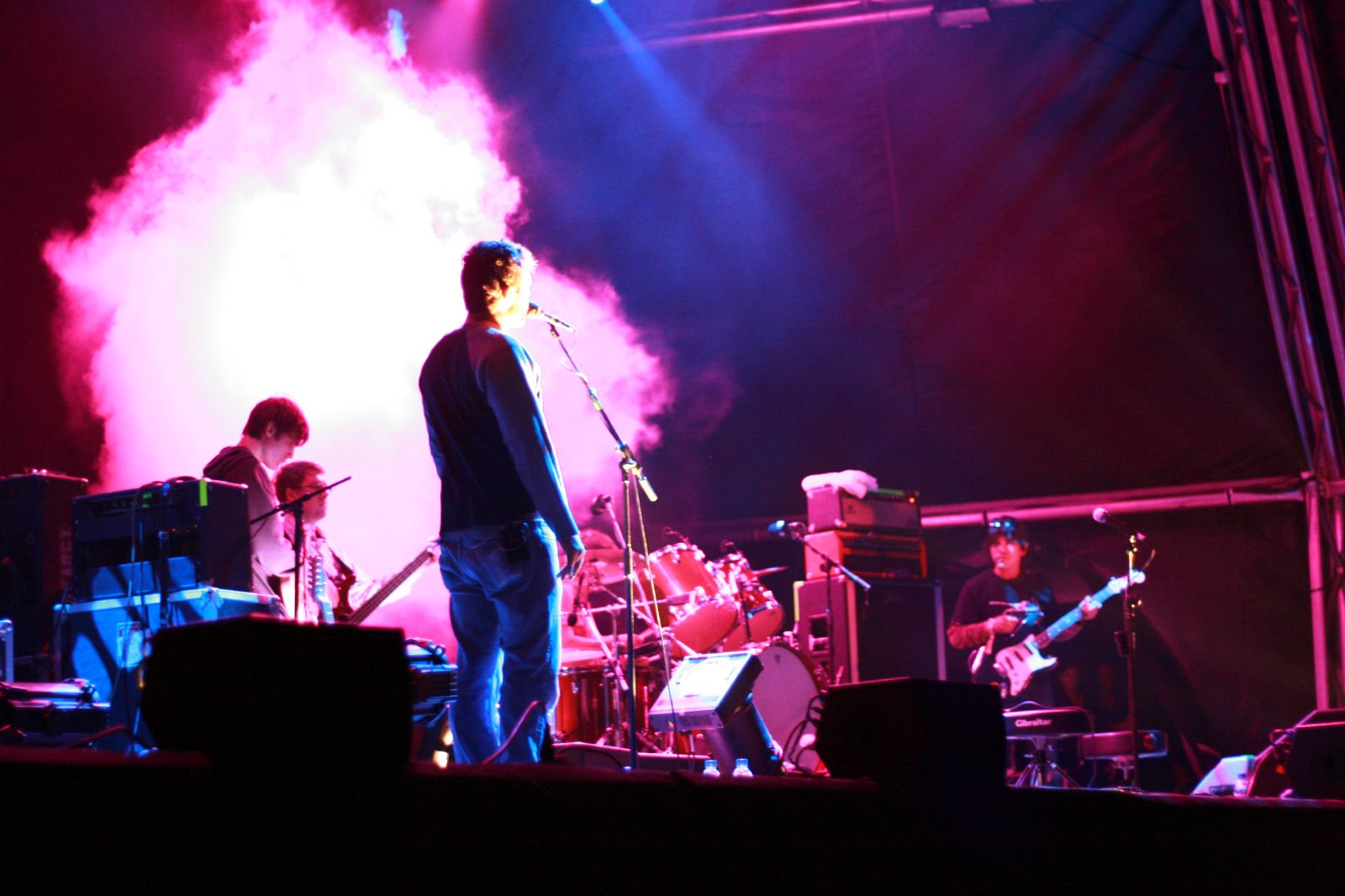
The band reunited for occasional shows starting in 2005, including a set at Louisville’s own Forecastle Festival, but never became a full-time act again. McMahan, Pajo, and Walford all stayed active in music individually, and Louisville still claims Slint as one of the most important bands to ever come out of the city, arguably its most influential export in any genre.