Jimmy Ellis held the world heavyweight championship for two years, but for most of his career he was better known for a different job: standing across the ring from a young Cassius Clay in the gym, absorbing punches so Clay could sharpen the moves that would make him Muhammad Ali. Ellis eventually became a champion in his own right, one of the lightest heavyweight titleholders of the modern era, before his own career gave way to the shadow of the fighter he’d once sparred with.
A Preacher’s Son in Louisville
James Albert Ellis was born February 24, 1940, in Louisville, one of ten children of a Baptist pastor, Walter Ellis. As a teenager he worked in a cement finishing factory, and boxing wasn’t an obvious calling until he watched a friend, Donnie Hill, lose a bout to a brash local amateur named Cassius Clay in the 1957 Tomorrow’s Champions tournament, a Louisville televised boxing program for young fighters. Watching that fight pulled Ellis into the same amateur circuit.
He turned out to have real talent for it. In 1961, Ellis won the National Golden Gloves championship in the 160-pound middleweight division, a result strong enough that he wrote a letter to Angelo Dundee, the Miami-based trainer who worked with Clay, asking Dundee to manage his career. Dundee agreed, and Ellis relocated his training to Miami’s 5th Street Gym alongside the fighter he’d once watched from the crowd.
The two Louisville natives had known each other since their amateur days back home, and the move to Miami turned a hometown acquaintance into a daily working relationship. Ellis and Clay trained side by side under Dundee for years, sharing a trainer, a gym, and often a place on the same fight card, long before either man had any idea which of them would end up more famous.
Sparring Partner to Undercard Regular
Through the early 1960s, Ellis became one of Clay’s primary sparring partners, a role that meant absorbing the fastest hands in boxing on a daily basis while Clay prepared for his own championship run. He turned pro in 1961 as a middleweight and spent years fighting undercard bouts, often on the same fight cards as Ali’s early professional bouts, before moving up in weight to heavyweight later in the decade.
Ellis fought as a middleweight and light heavyweight for most of his early career, building a competent but unspectacular record against regional opposition. The jump to heavyweight in the mid-1960s was as much about opportunity as physical growth: the heavyweight division carried the sport’s biggest purses and its brightest spotlight, and Ellis, still built more like a boxer-puncher than a bruiser, had to adapt his style against bigger men.
“I never thought about being heavyweight champion of the world. I was just trying to make a living.”
— Jimmy Ellis, recalling his early career
The opportunity that made Ellis a heavyweight titleholder came from outside the ring entirely. When Ali was stripped of his title in 1967 for refusing induction into the U.S. Army, the World Boxing Association organized an eight-man elimination tournament to crown a new champion. Ellis entered as a heavy underdog and worked his way through the bracket.
Ellis opened the tournament with a win over Leotis Martin, then edged past Oscar Bonavena on points in a close semifinal many observers scored differently than the judges did. Neither win came easily, and Ellis went into the championship bout against Jerry Quarry regarded as the less talented, less experienced fighter of the two finalists.
A Champion, Briefly
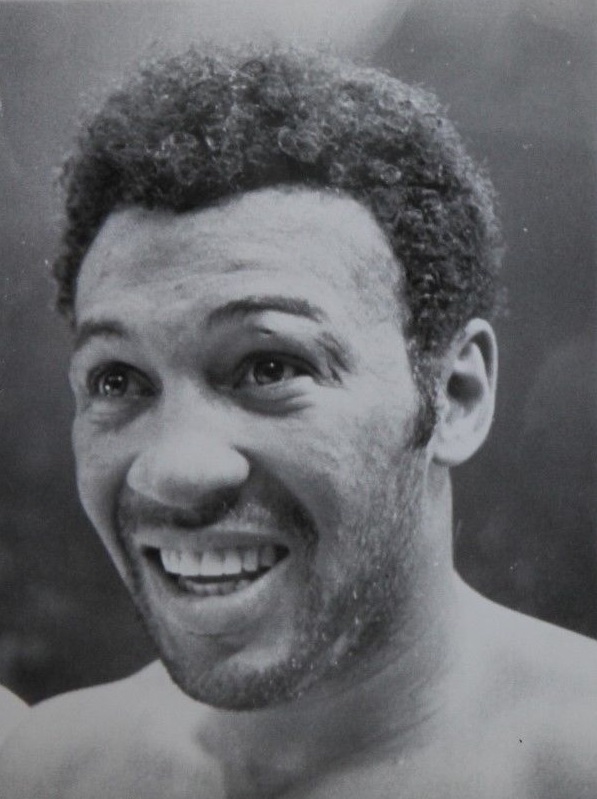
Ellis beat Jerry Quarry in April 1968 to win the vacant WBA heavyweight championship, becoming one of the lightest heavyweight titleholders in the sport’s modern history. He defended the belt successfully against Floyd Patterson, a former undisputed champion, later that year. For a stretch of 1968 into 1970, the man who had once been paid to help Cassius Clay train held one version of boxing’s biggest prize himself.
The reign ended in February 1970, when Ellis faced Joe Frazier, who held the rival New York State recognition as champion, in a unification bout. Frazier stopped Ellis in the fifth round, ending Ellis’s run as titleholder and setting up Frazier’s own path toward the undisputed championship and, eventually, his first fight with a returning Muhammad Ali.
Ellis had gone into the Frazier fight as champion by WBA recognition only, one half of a divided heavyweight title picture that had existed since Ali’s stripping in 1967. The loss to Frazier settled that split in Frazier’s favor and left Ellis’s own reign, brief and asterisked by boxing historians because of the fractured championship landscape it occurred in, as a two-year footnote rather than a lasting hold on the title.

Later Career and Legacy
Ellis kept fighting into the mid-1970s, including a 1971 loss to Ali himself in a non-title bout, but he never again held a version of the heavyweight championship. He retired from the ring having fought many of the era’s biggest names, from Frazier and Ali to Quarry and Patterson, without ever getting full credit for a career that ran directly alongside boxing’s most famous rivalry.
After boxing, Ellis stayed connected to the sport as a trainer and worked for years in Louisville, where he had returned to live. He remained close with figures from his fighting days, including members of Ali’s camp, and was often introduced at Louisville sporting and civic events as one of the two Louisville men who had both worn a version of the heavyweight crown in the same era, an unusual distinction for a single American city.
Ellis was later inducted into the World Boxing Hall of Fame and the Kentucky Commission on Human Rights Hall of Fame, recognitions that reflected both his championship run and his standing as one of Louisville’s own boxing sons. He died in Louisville’s Baptist Hospital in 2014 at age 74, after years of declining health from dementia. He was remembered less as a footnote to Ali’s story and more as a fighter who beat the odds to become heavyweight champion of the world in his own right, however briefly.
Boxing historians have gone back and forth on how to weigh Ellis’s career, in part because his title reign coincided with boxing’s most politically charged period, when Ali’s exile from the ring scattered the heavyweight championship across multiple sanctioning claims. Some accounts treat Ellis’s WBA title as a legitimate championship reign in its own right; others treat it mainly as a placeholder during the years the sport’s real champion was fighting the U.S. government instead of other boxers. Either way, Ellis is one of a small handful of fighters who can claim to have beaten a former undisputed heavyweight champion, in Floyd Patterson, while wearing a version of the title belt himself.
Sources and further reading
- Biographical details and Louisville upbringing — Wikipedia and the Kentucky Commission on Human Rights Hall of Fame
- Amateur and early professional career — BoxRec and heavyweightboxing.com
- 1968 WBA title win over Jerry Quarry and 1970 loss to Joe Frazier — Wikipedia and encyclopedia.com
- Death and hometown recognition — WDRB’s “Louisville honors boxing champion Jimmy Ellis with Hometown Hero banner”