You don’t need Derby week to justify a bourbon trip to Louisville. Four working distilleries now sit within walking distance of each other on West Main Street, the strip locals still call Whiskey Row, with two more a short rideshare away. Between them they cover almost the entire story of the industry: a 19th-century brand revived by its own descendants, a Pennsylvania name transplanted into a stabilized historic shell, and a newcomer built from scratch by a former clinical psychologist turned distiller. This page contains affiliate links. For flights, start here, and for hotels, here.
Angel’s Envy Distillery
Angel’s Envy was co-founded in 2010 by Lincoln Henderson, a Bourbon Hall of Fame master distiller who spent his career at Brown-Forman creating Woodford Reserve and Gentleman Jack before starting his own label with his son Wes. The production distillery didn’t open until 2016, but when it did, it became the first full-production whiskey distillery on Whiskey Row since Prohibition — everyone else on the block came later.
An $8.2 million visitor-center expansion added production tours, tastings, and cocktail classes, all inside a building that helped kick off Whiskey Row’s return to actually making whiskey rather than just selling it.
Michter’s Fort Nelson Distillery
Michter’s announced plans for its Whiskey Row site in 2011 but didn’t open until January 2019, and the delay shows why: the historic Fort Nelson building’s wall had bowed 28 inches out of true, requiring a 400,000-pound internal steel frame and more than $7 million to stabilize before a drop of bourbon could be made inside. The payoff is a working 550-gallon pot still and cypress fermenters modeled on the original Pennsylvania Michter’s equipment.
Master Distiller Dan McKee took over the stills in 2019, succeeding Pamela Heilmann, who moved into the role of master distiller emerita after helping bring the historic brand back to life on its new home street.
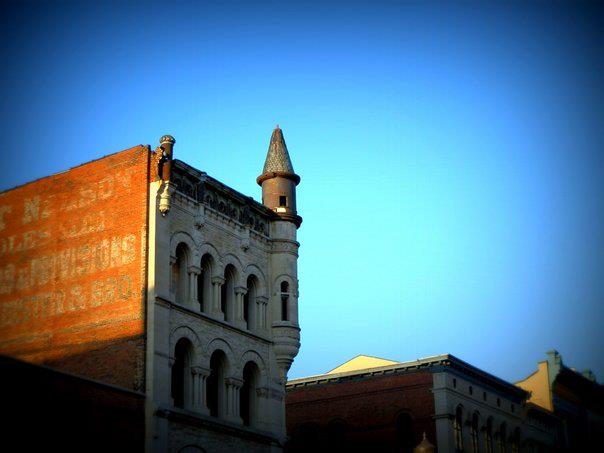
Old Forester Distilling Co.
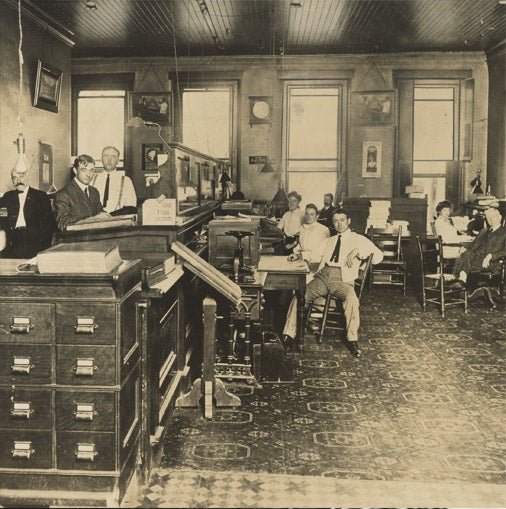
Old Forester traces to 1870, when founder George Garvin Brown began sealing and personally signing every bottle with the pledge “there is nothing better in the market” — a claim historians credit as America’s first bottled bourbon brand.
The $45 million, 70,000-square-foot distillery that opened on Whiskey Row in 2018 returned the brand to the same street where Brown got his start.
Its signature feature is an on-site cooperage where Brown-Forman hand-crafts and fires its own barrels; the company is the only major spirits maker that still builds its own barrels in-house, and the tour walks visitors past the cooperage on the way to fermentation, distillation, and an aging warehouse.
Kentucky Peerless Distilling Co.
Peerless dates to 1889, when Henry Kraver founded the brand in Henderson, Kentucky, incorporating it in 1907 before Prohibition shut the operation down. It sat dormant for nearly a century until Kraver’s fourth- and fifth-generation descendants, Corky and Carson Taylor, revived it and reopened in downtown Louisville in 2015.
The distillery sits on 10th Street, about a mile from the Whiskey Row cluster rather than inside it, which makes it an easy add-on with a short rideshare rather than a walkable stop on the same afternoon as the others.
Rabbit Hole Distillery
The newest name on this list, Rabbit Hole was founded by Kaveh Zamanian, a former clinical psychologist, in 2012, with the physical distillery opening in NuLu in May 2018. At 55,000 square feet and roughly $15 million, it’s the most architecturally ambitious of the group — architect Doug Pierson combined new construction with an adaptive reuse of an old warehouse and church building into a full city-block campus with a glass façade, courtyard, and open-air terrace overlooking the grain-to-bottle production floor.
It functions less like a single distillery and more like a small campus, with retail and dining built in alongside the production tour, and it sits in NuLu rather than on Whiskey Row proper.
Evan Williams Bourbon Experience
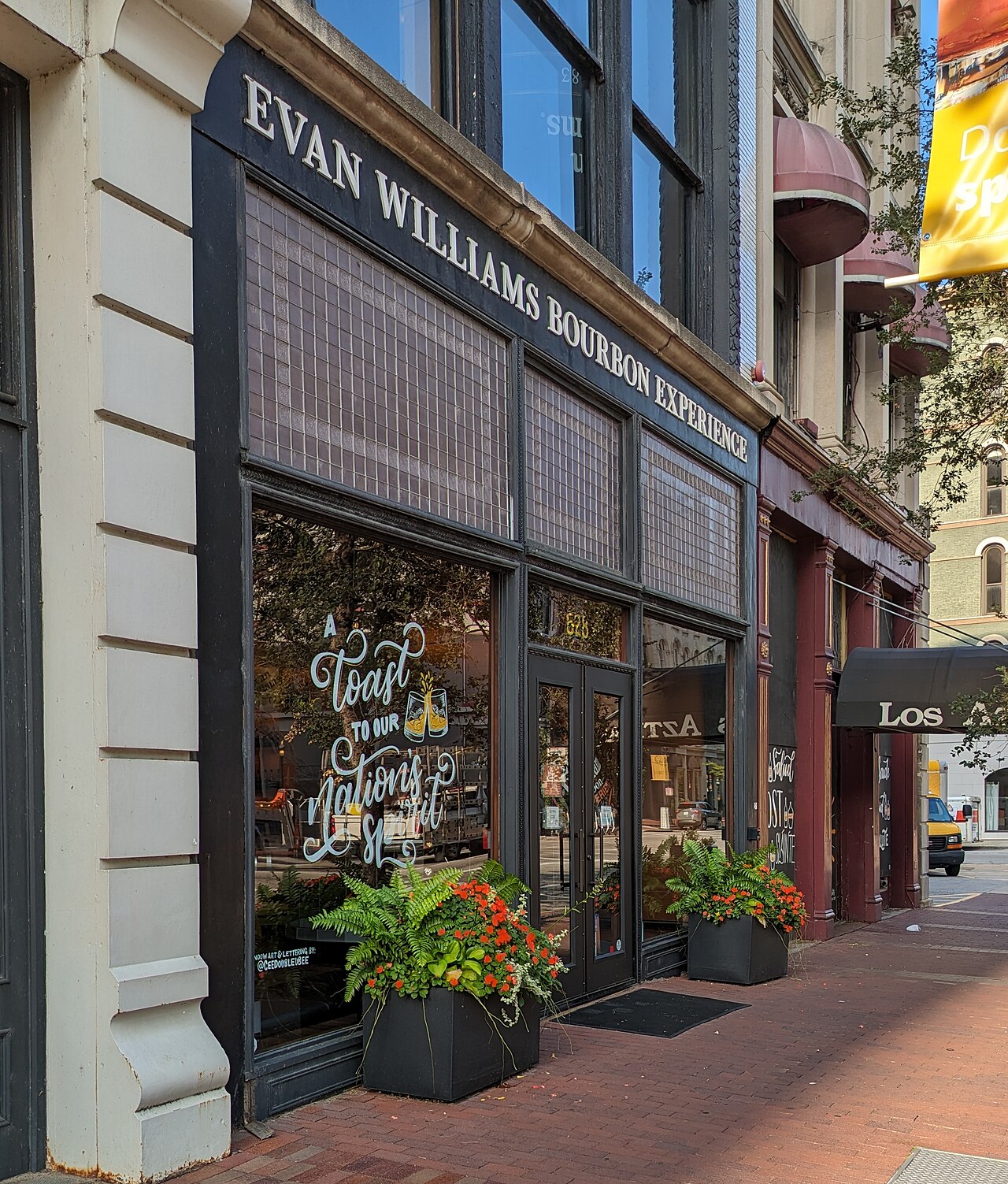
Heaven Hill opened the Evan Williams Bourbon Experience on Whiskey Row in 2013, ahead of every other name on this list, as a historical recreation rather than a working production site tied to Evan Williams, a Welsh immigrant traditionally credited as Kentucky’s first commercial distiller starting in 1783. Worth noting: that specific claim traces to an 1892 account rather than contemporary records, and at least one Filson Historical Society historian has publicly disputed it — treat it as beloved legend more than settled fact.
Legend aside, the experience itself is well done: a historical exhibit, a working artisanal still, a Prohibition-themed speakeasy, and the ON3 cocktail bar make it one of the more polished stops for visitors who want atmosphere along with the tasting.
Getting Around, and the Urban Bourbon Trail
Angel’s Envy, Michter’s, Old Forester, and Evan Williams all sit within an easy walk of each other on West Main Street, so a single afternoon can cover all four without a car. Rabbit Hole in NuLu and Peerless on 10th Street both require a short rideshare, but neither is more than a few minutes away.
Separately, Louisville Tourism runs the Urban Bourbon Trail, a free passport program launched in 2008 covering more than 40 bars, restaurants, and hotels — not the distilleries themselves — that each stock at least fifty bourbons. Collect six stamps and earn a T-shirt; it pairs naturally with the distillery tours as a bar-crawl on the nights in between. For a bourbon-themed overnight after a day of tastings, our guide to Louisville’s hotel restaurants covers The Trail Hotel in nearby Bardstown, built specifically for Bourbon Trail day trips.
Planning the Trip
Most of these distilleries run tours year-round, not just around Derby week, and several offer extended hours in warmer months. Compare flights into Louisville and browse Louisville hotels within walking distance of Whiskey Row to build a trip around them.
Sources and further reading
- Distillery histories and opening details — Angel’s Envy, Michter’s, Old Forester (Brown-Forman), Kentucky Peerless, Rabbit Hole, and Heaven Hill company histories and press materials
- The Evan Williams first-distiller claim and its disputed sourcing — Filson Historical Society
- Urban Bourbon Trail program details — Louisville Tourism
- Photos via Wikimedia Commons (Scottb211, Tsodan, Mx. Granger)
- This page contains affiliate links
More from Louisville
Bourbon Basics
The history and process worth knowing before you walk into your first distillery.
Louisville Bourbon City Stays: Where to Sleep Inside the Bourbon Story
Hotels within walking distance of the tours.
American Whiskey, Bourbon & Rye: A Guide to the Nation’s Favorite Spirit
A field guide for sorting out what you tasted.