Louisville didn’t just build a city around bourbon. It built a whole plate of food and a bar cart of drinks around it. Most were invented in hotel kitchens, catering halls, and candy shops within a few blocks of each other downtown.
Here’s the actual story behind the Old Fashioned and the other dishes and drinks that came out of Louisville, or close enough to it. Real origins, not the tourist-brochure version.
The Old Fashioned
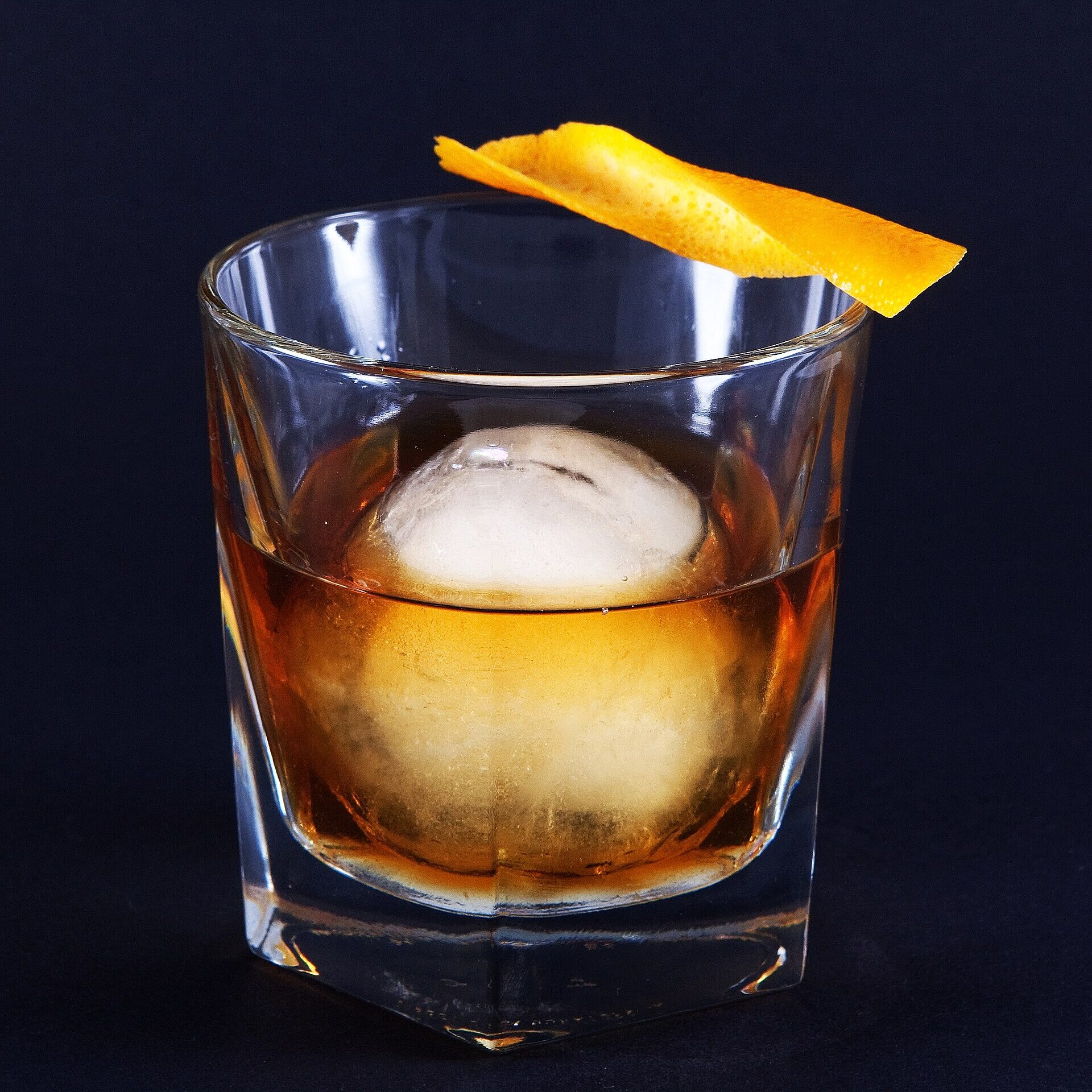
The Pendennis Club has claimed credit for inventing the Old Fashioned since at least the early 1900s, and Louisville has happily repeated the story ever since. It probably isn’t true. Newspapers were already writing about “old fashioned cocktails” in Chicago in February 1880, a year before the Pendennis Club even opened its doors.
The drink’s real history is stranger and better documented than the legend. Early recipes from the 1880s and 1890s included absinthe and dropped it within fifteen years. Orange didn’t show up in the glass until around 1905. The cherry arrived after 1930. Muddling the fruit into a mash wasn’t common practice until the 1990s. We covered the whole tangled story, legend and all, in our full history of the Pendennis Club.
The Hot Brown
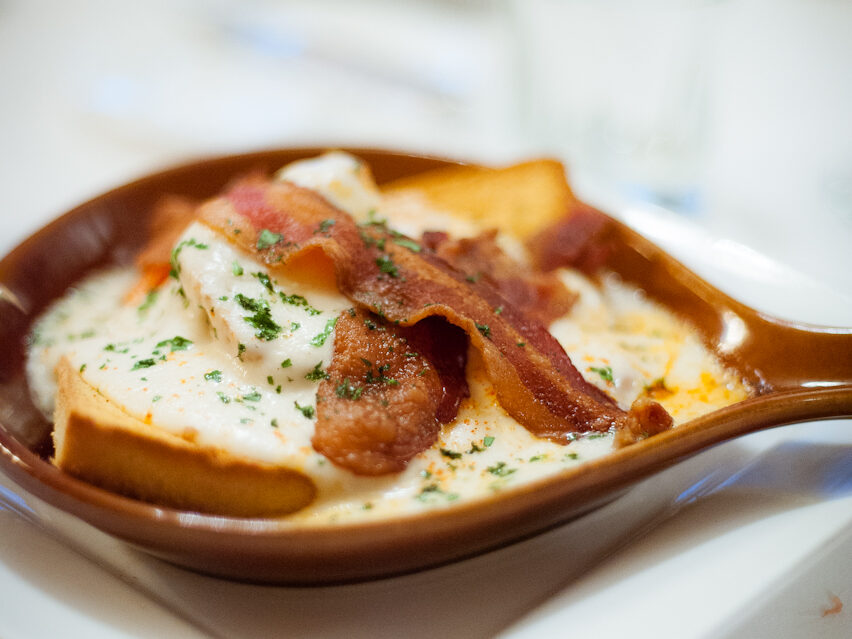
It caught on immediately. Within a short time, an estimated 95 percent of the hotel’s late-night diners were ordering the Hot Brown instead of anything else on the menu. The Brown Hotel still serves the original recipe today, and it remains one of the few local dishes that actually tastes better a hundred years later than the description suggests.
Derby Pie
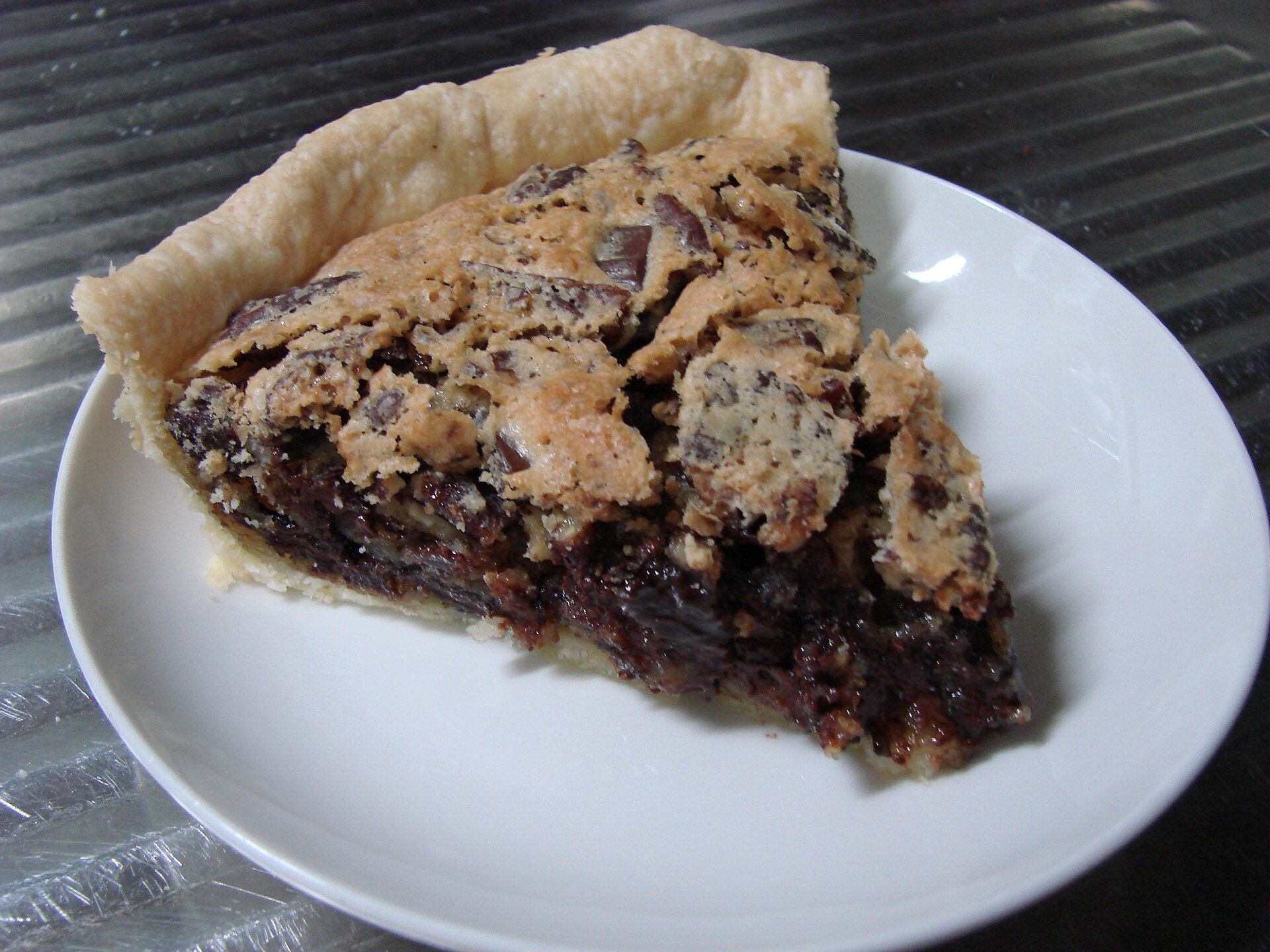
Despite the name, Derby Pie wasn’t invented in Louisville, or even at the racetrack. George Kern created it in 1954 at the Melrose Inn in Prospect, a small town on the Ohio River just up from the city. He had help from his parents, Walter and Leaudra. It’s a simple pie by description, a chocolate and walnut custard baked into a shell, but the actual recipe has stayed a closely guarded secret for seventy years.
The Kern family trademarked the name “Derby Pie” in 1969. Kern’s Kitchen has defended that trademark aggressively ever since, filing more than two dozen lawsuits against bakeries, magazines, and cookbook authors who used the name without permission. That’s why you’ll often see the dish called “chocolate walnut pie” or “Kentucky pie” on menus that aren’t licensed to use the real name.
Benedictine
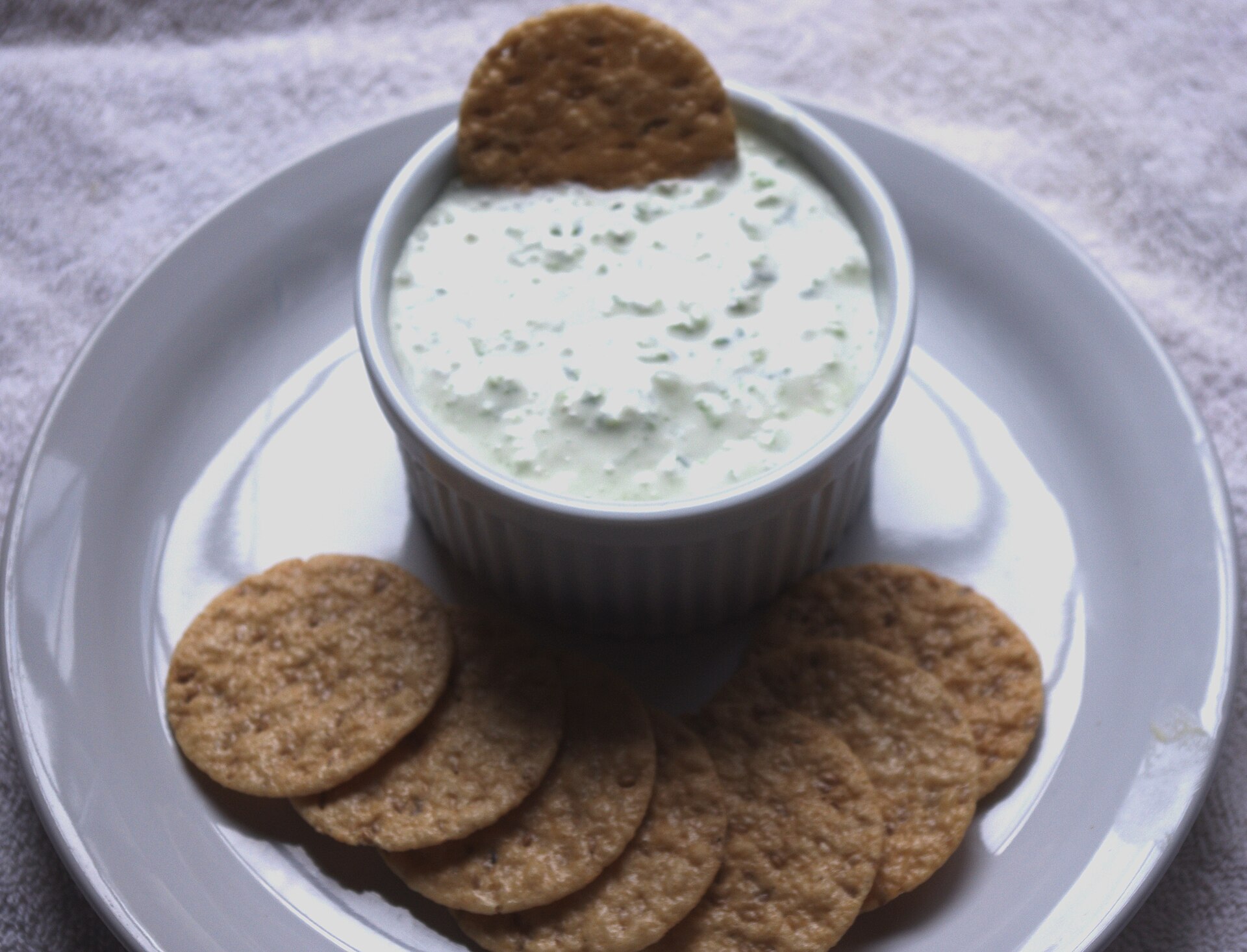
Jennie Carter Benedict built one of Louisville’s first successful businesses run by a woman, opening a catering kitchen in 1893 and a restaurant and tea room downtown in 1900. Her signature creation, a spread of cream cheese, cucumber juice, onion juice, and a touch of cayenne, tinted faintly green, became known simply as Benedictine.
I have tried to give the young housekeeper just what she needs, and for more experienced ones, the best that can be had in the culinary art.
Jennie C. Benedict, in the preface to her 1902 cookbook, The Blue Ribbon Cook Book
Benedict’s business reached further than her restaurant’s dining room. Her chicken salad sandwiches, sold from a pushcart, are often credited as Louisville’s first school lunches.
Benedictine itself rarely shows up on menus outside Kentucky, but locals still make it for parties, sandwiches, and dips exactly the way she wrote it more than a century ago.
The Modjeska
In the 1880s, a French confectioner named Anton Busath was working in Louisville when the celebrated stage actress Helena Modjeska came through town for a production.
Busath had perfected a candy of marshmallow dipped in caramel, and he wrote to Modjeska asking permission to name it after her. She agreed and sent back a signed portrait, which hung in his shop for decades.
A 1947 fire destroyed Busath’s store, portrait and all, though the photograph itself survived and now hangs at the Filson Historical Society. His son Edgar passed the recipe on to family friend Rudy Muth, and Muth’s Candies, now in its fourth generation as Louisville’s oldest candy store, still makes Modjeskas today.
Mint Juleps and the Rest of the Bar
No rundown of Louisville’s food and drink history is complete without the mint julep. It’s the bourbon, sugar, and mint drink that’s been Churchill Downs’ official beverage for close to a century. For the deeper story of Kentucky whiskey, read our guide to bourbon basics and our complete history of the Kentucky Derby.
Where to Taste It All
Most of this list is still available exactly where it started. The Brown Hotel serves the original Hot Brown recipe daily.
Muth’s Candies, Louisville’s oldest candy store, still makes Modjeskas from the recipe Anton Busath’s son handed down.
Kern’s Kitchen sells the real, trademarked Derby-Pie by mail and in Louisville-area grocery stores.
Benedictine shows up on menus and at parties across the city every summer, usually made from a family recipe close enough to Jennie Benedict’s original to count.
If you’re building a food-focused visit around any of this, our guide to Louisville’s historic hotels covers where to stay near most of these spots. The full bourbon trail guide covers the drinks side of the table in more depth.
More from the story: The Pendennis Club · Bourbon Basics · The Old Fashioned: An Essential Guide · The Kentucky Derby: A Complete History