Every year on the first Saturday in May, a two-minute horse race stops the country. People who couldn’t tell you another thing about thoroughbred racing know the Kentucky Derby. They know the roses, the mint juleps, the Twin Spires, and the phrase “the most exciting two minutes in sports.”
It didn’t start that way. The Derby spent its first three decades as a solid regional race, one of dozens on the American circuit. Here is how it became something else entirely.
A Colonel’s Idea
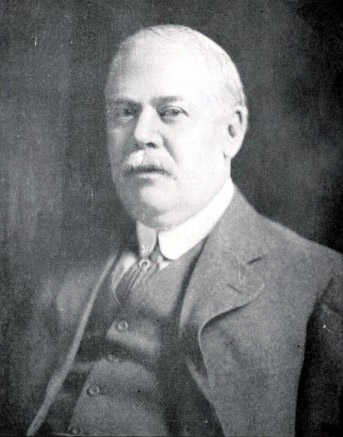
The Derby exists because a young man took a trip to Europe. Meriwether Lewis Clark Jr., grandson of explorer William Clark, traveled to England and France in 1872 and watched the Epsom Derby and the Grand Prix de Paris. He came home determined to build something similar in Louisville.
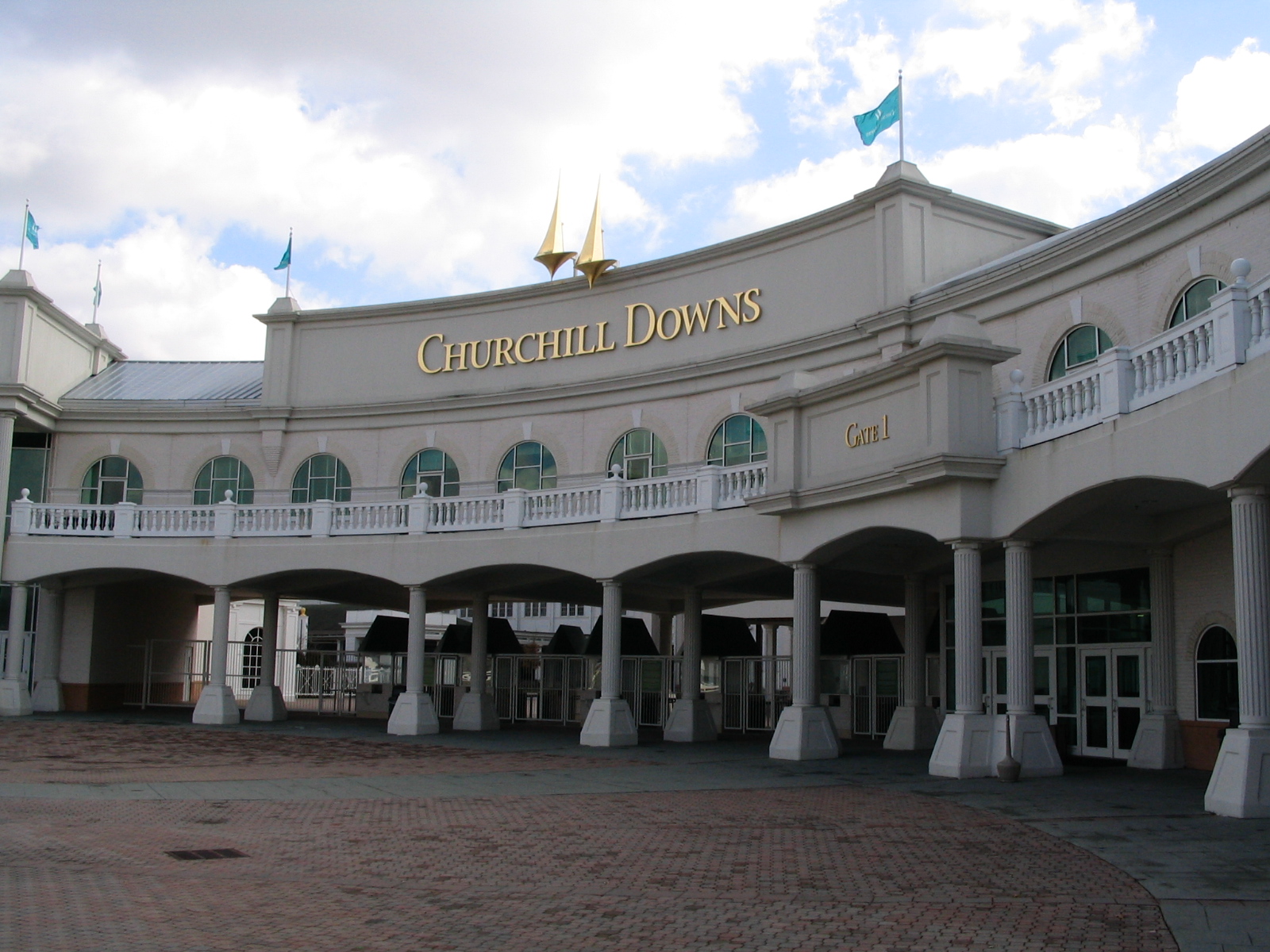
Clark raised money, secured land from his uncles John and Henry Churchill, and built a track three miles south of downtown. It opened as the Louisville Jockey Club grounds. Within a few years, everyone was calling it Churchill Downs instead, after the family that had donated the land.
The first Kentucky Derby ran on May 17, 1875, in front of roughly 10,000 people. A field of 15 three-year-olds went to the post, and a colt named Aristides crossed the wire first, ridden by a young Black jockey named Oliver Lewis. Clark stayed on as the track’s president for the race’s first twenty runnings.
The Jockeys Who Built It
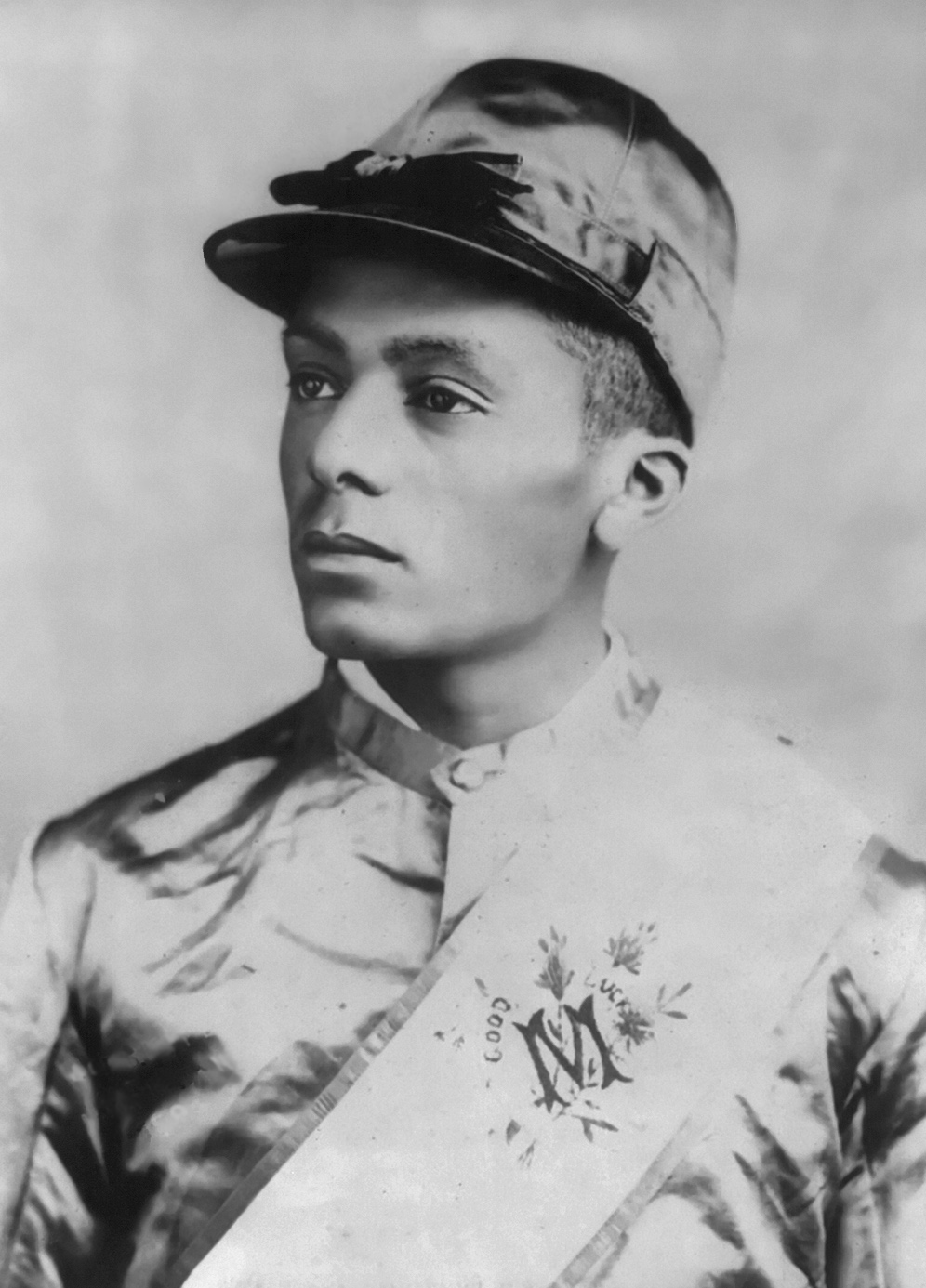
That first Derby wasn’t a fluke of representation. Thirteen of the fifteen jockeys in the 1875 field were Black, and Black riders won 15 of the first 28 runnings of the race. Isaac Murphy, born into slavery in 1861, won the Derby three times and became the highest-paid athlete in America during his career, earning as much as $20,000 a year.
That era ended on purpose. Jim Crow segregation, combined with organized violence and intimidation from white jockeys, pushed Black riders out of the sport by the early 1900s. Jimmy Winkfield won back-to-back Derbies in 1901 and 1902. He then rode into an unwanted piece of history. No Black jockey would win the Kentucky Derby again for more than a century, and none has as of this writing.
Making a Local Race a National Spectacle
By 1902, Churchill Downs was in financial trouble. A local ticket-seller and promoter named Matt Winn led a group of investors who bought the track for $40,000. He spent the next five decades turning the Derby into a national institution.
Winn’s first big save came earlier, in 1908, when Louisville banned bookmakers just before that year’s Derby. Winn remembered an old French invention called the pari-mutuel machine, a device that let bettors wager against each other instead of against a bookmaker. He found an obscure Kentucky statute that exempted the machines from the new gambling law, tracked down six of them, and had them running in time for race day. They were an immediate hit. Pari-mutuel wagering spread to tracks across the country soon after, and it remains the standard way horse racing handles bets today.
Winn’s biggest break came in 1915, when he talked owner Harry Payne Whitney into running his filly Regret in the Derby. Regret won, the press covered it as a major story, and the Derby’s reputation jumped overnight. The purse climbed from $6,000 in 1912 to more than $50,000 by 1921 as the race’s profile grew with it.
Winn’s most important bet was on a technology other sports executives feared. Many worried that radio broadcasts would kill ticket sales. Winn thought the opposite, that radio could turn a regional race into a national event. On May 16, 1925, Louisville station WHAS carried the Derby live for the first time, reaching an estimated five million listeners. Attendance kept climbing anyway.
Twin Spires, Roses, and a Mint Julep
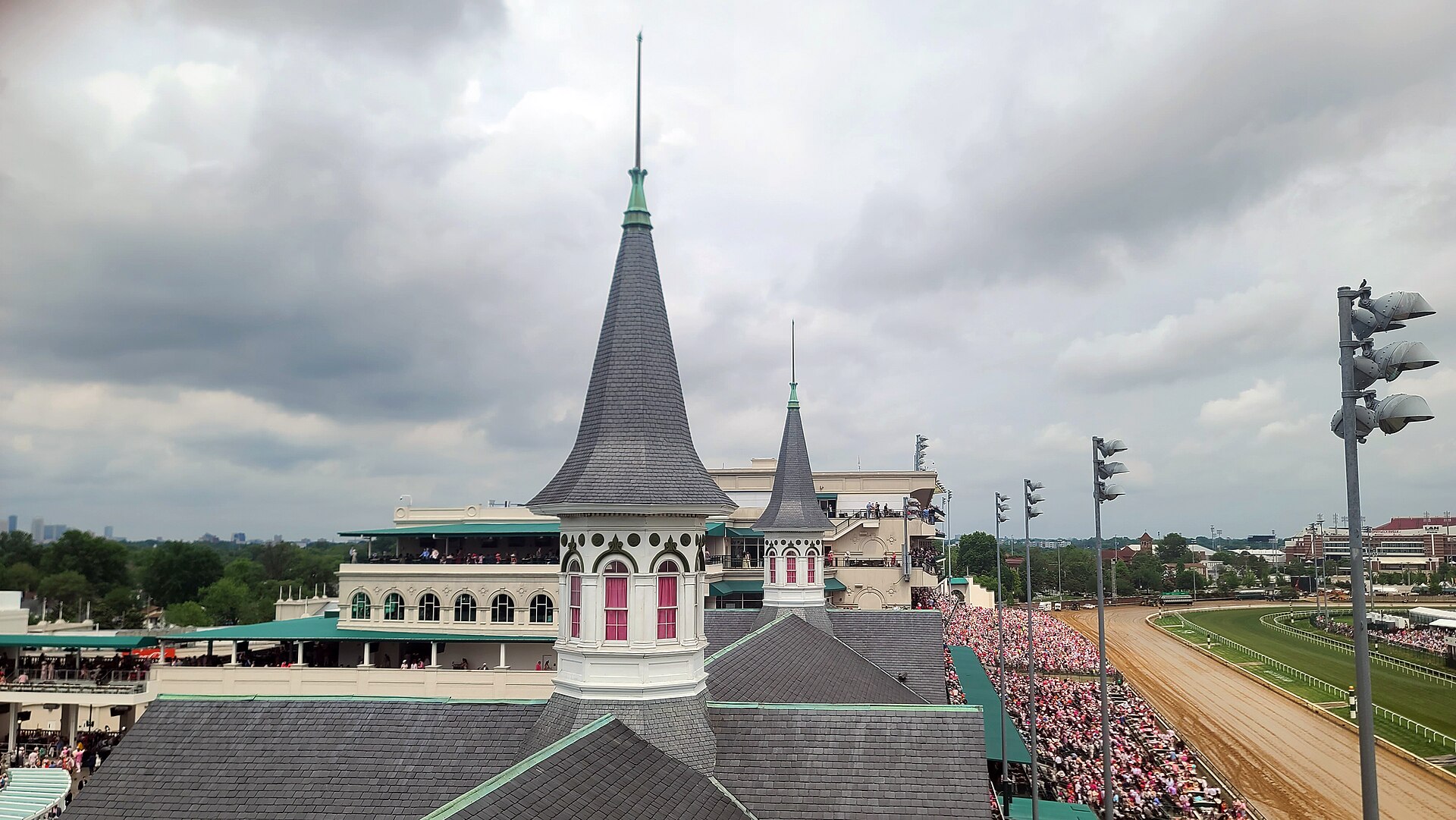
Most of the Derby’s signature traditions came together in the 1920s and 1930s, decades after the race itself began. A blanket of more than 400 red roses has been draped over the winning horse since at least 1932. Sports columnist Bill Corum coined the nickname “Run for the Roses” back in 1925. Stephen Foster’s “My Old Kentucky Home” became a pre-race tradition around the same time.
That song carries its own complicated history. Foster wrote it in the early 1850s with sympathies toward the abolitionist movement, but its original lyrics used racist language common to the era’s minstrel shows. Kentucky adopted the song as its state anthem in 1928, lyrics and all. The state legislature finally revised the offending language in 1986, replacing it while keeping Foster’s melody intact.
The mint julep, a mix of bourbon, sugar, and mint served over crushed ice, has been the race’s official drink for close to a century. Fans go through more than 125,000 of them over Oaks and Derby weekend. If you want to read more about where the bourbon in that julep actually comes from, our guide to bourbon basics covers the whole story.
The Triple Crown
Winning the Derby alone makes a horse famous. Winning the Derby, the Preakness Stakes, and the Belmont Stakes in the same year makes it immortal. That sweep is called the Triple Crown, and in a race with a field of 152 winners across 150 years, only thirteen horses have managed it.
a pretentious mix of booze, failed dreams and a terminal identity crisis
Hunter S. Thompson, describing the face he was hunting for in the Derby Day crowd, in his 1970 essay “The Kentucky Derby Is Decadent and Depraved”
The thirteen Triple Crown winners, in order:
- Sir Barton (1919)
- Gallant Fox (1930)
- Omaha (1935)
- War Admiral (1937)
- Whirlaway (1941)
- Count Fleet (1943)
- Assault (1946)
- Citation (1948)
- Secretariat (1973)
- Seattle Slew (1977)
- Affirmed (1978)
- American Pharoah (2015)
- Justify (2018)
Secretariat’s 1973 Derby time of 1:59.40 still stands as the track record, more than fifty years later.
Records, Rivalries, and Heartbreak
Not every Derby story is a happy one. In 1968, Dancer’s Image crossed the finish line first. It was disqualified after a post-race test found traces of a painkiller, a drug that is legal for racehorses in many states today. Forward Pass was declared the winner instead, and the case remains one of the race’s most disputed finishes.
In 2019, the favorite Maximum Security finished first but was disqualified for interference, the first disqualification of a Derby winner in the race’s history for an on-track riding violation. Country House, who crossed second, was declared the winner. Two years later, Medina Spirit crossed first but was stripped of the win after testing positive for a banned substance, handing the title to Mandaloun.
The race has also produced real tragedy. In 2006, Derby winner Barbaro shattered his leg two weeks later in the Preakness Stakes. He was euthanized the following January after months of treatment. The loss briefly made him one of the most famous animals in the country. And the race still loves an upset. In 2022, Rich Strike went off at 80-to-1 odds, one of the longest shots ever to win. He got into the field only one day before the race, after another horse scratched.
Derby Day Today
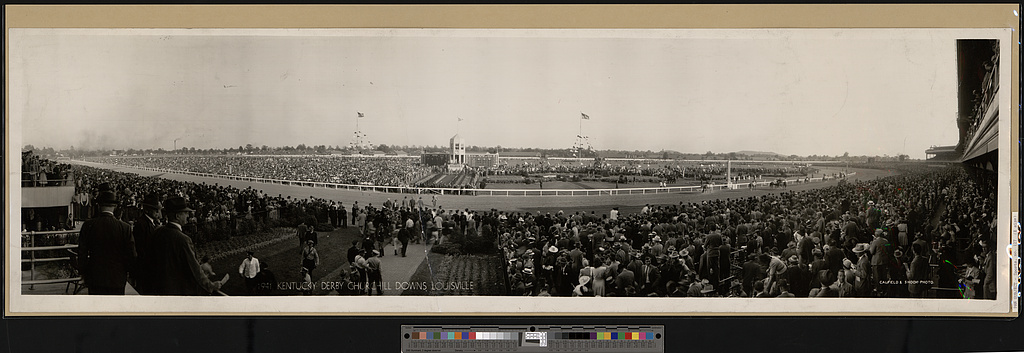
The Derby now anchors a two-week civic celebration called the Kentucky Derby Festival, with fireworks, a marathon, and a massive downtown parade leading up to race day itself. Attendance at Churchill Downs regularly tops 150,000 people on Derby Day, and the race is broadcast to more than 100 countries.
If you’re planning to experience it in person, our guide to Louisville’s most historic hotels covers where to stay. A room at the Galt House keeps you close to the action downtown. For the deeper story of the city that built this race, our history of Louisville traces the same 150 years from a different angle.
Every Kentucky Derby Winner
Triple Crown winners are marked below. The list runs from the first Derby in 1875 to the most recent running.
| Year | Winner |
|---|---|
| 1875 | Aristides |
| 1876 | Vagrant |
| 1877 | Baden-Baden |
| 1878 | Day Star |
| 1879 | Lord Murphy |
| 1880 | Fonso |
| 1881 | Hindoo |
| 1882 | Apollo |
| 1883 | Leonatus |
| 1884 | Buchanan |
| 1885 | Joe Cotton |
| 1886 | Ben Ali |
| 1887 | Montrose |
| 1888 | Macbeth II |
| 1889 | Spokane |
| 1890 | Riley |
| 1891 | Kingman |
| 1892 | Azra |
| 1893 | Lookout |
| 1894 | Chant |
| 1895 | Halma |
| 1896 | Ben Brush |
| 1897 | Typhoon II |
| 1898 | Plaudit |
| 1899 | Manuel |
| 1900 | Lieut. Gibson |
| 1901 | His Eminence |
| 1902 | Alan-a-Dale |
| 1903 | Judge Himes |
| 1904 | Elwood |
| 1905 | Agile |
| 1906 | Sir Huon |
| 1907 | Pink Star |
| 1908 | Stone Street |
| 1909 | Wintergreen |
| 1910 | Donau |
| 1911 | Meridian |
| 1912 | Worth |
| 1913 | Donerail |
| 1914 | Old Rosebud |
| 1915 | Regret |
| 1916 | George Smith |
| 1917 | Omar Khayyam |
| 1918 | Exterminator |
| 1919 | Sir Barton 🏆 Triple Crown |
| 1920 | Paul Jones |
| 1921 | Behave Yourself |
| 1922 | Morvich |
| 1923 | Zev |
| 1924 | Black Gold |
| 1925 | Flying Ebony |
| 1926 | Bubbling Over |
| 1927 | Whiskery |
| 1928 | Reigh Count |
| 1929 | Clyde Van Dusen |
| 1930 | Gallant Fox 🏆 Triple Crown |
| 1931 | Twenty Grand |
| 1932 | Burgoo King |
| 1933 | Brokers Tip |
| 1934 | Cavalcade |
| 1935 | Omaha 🏆 Triple Crown |
| 1936 | Bold Venture |
| 1937 | War Admiral 🏆 Triple Crown |
| 1938 | Lawrin |
| 1939 | Johnstown |
| 1940 | Gallahadion |
| 1941 | Whirlaway 🏆 Triple Crown |
| 1942 | Shut Out |
| 1943 | Count Fleet 🏆 Triple Crown |
| 1944 | Pensive |
| 1945 | Hoop Jr. |
| 1946 | Assault 🏆 Triple Crown |
| 1947 | Jet Pilot |
| 1948 | Citation 🏆 Triple Crown |
| 1949 | Ponder |
| 1950 | Middleground |
| 1951 | Count Turf |
| 1952 | Hill Gail |
| 1953 | Dark Star |
| 1954 | Determine |
| 1955 | Swaps |
| 1956 | Needles |
| 1957 | Iron Liege |
| 1958 | Tim Tam |
| 1959 | Tomy Lee |
| 1960 | Venetian Way |
| 1961 | Carry Back |
| 1962 | Decidedly |
| 1963 | Chateaugay |
| 1964 | Northern Dancer |
| 1965 | Lucky Debonair |
| 1966 | Kauai King |
| 1967 | Proud Clarion |
| 1968 | Forward Pass |
| 1969 | Majestic Prince |
| 1970 | Dust Commander |
| 1971 | Canonero II |
| 1972 | Riva Ridge |
| 1973 | Secretariat 🏆 Triple Crown |
| 1974 | Cannonade |
| 1975 | Foolish Pleasure |
| 1976 | Bold Forbes |
| 1977 | Seattle Slew 🏆 Triple Crown |
| 1978 | Affirmed 🏆 Triple Crown |
| 1979 | Spectacular Bid |
| 1980 | Genuine Risk |
| 1981 | Pleasant Colony |
| 1982 | Gato Del Sol |
| 1983 | Sunny’s Halo |
| 1984 | Swale |
| 1985 | Spend a Buck |
| 1986 | Ferdinand |
| 1987 | Alysheba |
| 1988 | Winning Colors |
| 1989 | Sunday Silence |
| 1990 | Unbridled |
| 1991 | Strike the Gold |
| 1992 | Lil E. Tee |
| 1993 | Sea Hero |
| 1994 | Go for Gin |
| 1995 | Thunder Gulch |
| 1996 | Grindstone |
| 1997 | Silver Charm |
| 1998 | Real Quiet |
| 1999 | Charismatic |
| 2000 | Fusaichi Pegasus |
| 2001 | Monarchos |
| 2002 | War Emblem |
| 2003 | Funny Cide |
| 2004 | Smarty Jones |
| 2005 | Giacomo |
| 2006 | Barbaro |
| 2007 | Street Sense |
| 2008 | Big Brown |
| 2009 | Mine That Bird |
| 2010 | Super Saver |
| 2011 | Animal Kingdom |
| 2012 | I’ll Have Another |
| 2013 | Orb |
| 2014 | California Chrome |
| 2015 | American Pharoah 🏆 Triple Crown |
| 2016 | Nyquist |
| 2017 | Always Dreaming |
| 2018 | Justify 🏆 Triple Crown |
| 2019 | Country House |
| 2020 | Authentic |
| 2021 | Mandaloun |
| 2022 | Rich Strike |
| 2023 | Mage |
| 2024 | Mystik Dan |
| 2025 | Sovereignty |
| 2026 | Golden Tempo |
More from the story: Bourbon Basics · The Pendennis Club · Muhammad Ali · Hunter S. Thompson