Louisville has produced champions across nearly every sport: boxing, baseball, basketball, football, and swimming among them. Some never left. Others carried the city’s name across the country and came home again. Here are fifteen of Louisville’s most notable sports figures.
Muhammad Ali
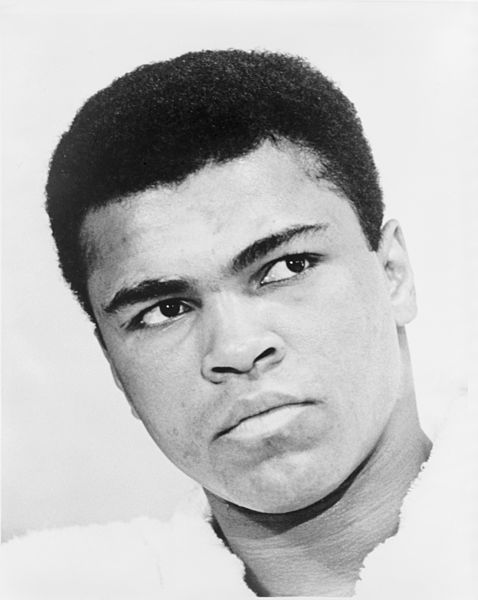
Boxing, heavyweight champion, 1960–1981
Cassius Marcellus Clay Jr. was born in Louisville in 1942 and learned to box at 12, after a police officer named Joe Martin taught him to fight so he could confront whoever had stolen his bicycle. He won a gold medal in the light heavyweight division at the 1960 Rome Olympics, then turned professional back home at Freedom Hall.
He changed his name to Muhammad Ali in 1964 and became the most famous athlete on Earth, a three-time heavyweight champion known as much for his mouth as his hands. He refused induction into the U.S. Army in 1967 on religious grounds and lost his title and boxing license for three years, a stand that cost him millions but made him a symbol far beyond sport.
Ali never left Louisville behind. He returned often, and the city built the Muhammad Ali Center on the downtown riverfront to house his legacy. When he died in 2016, hundreds of thousands lined the streets for a funeral procession that passed his childhood home on Grand Avenue. Louisville’s airport now carries his name. Read the full story of Louisville’s most famous son.
Pee Wee Reese
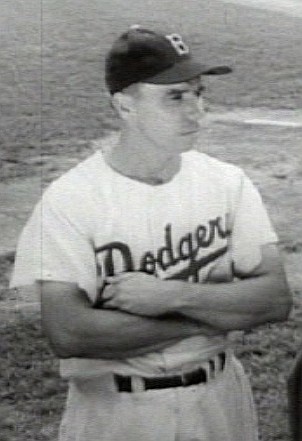
Baseball, shortstop, Brooklyn/Los Angeles Dodgers, 1940–1958
Harold Henry Reese picked up his nickname as a boy in Louisville, where he won a marbles championship, and the word “peewee” stuck for life. He starred for Louisville’s American Legion teams before signing with the hometown Louisville Colonels, then moving up to the Brooklyn Dodgers in 1940.
Reese became Brooklyn’s captain and one of the most respected players in the league, a ten-time All-Star known for steady defense and calm leadership in a rough era of the sport. His defining moment came in the late 1940s, when he is remembered for putting his arm around teammate Jackie Robinson in front of a hostile road crowd, a gesture that has become shorthand for standing by a teammate under pressure.
After his playing days, Reese worked for Louisville’s own Hillerich & Bradsby, the maker of Louisville Slugger bats, keeping him close to home for decades. He was inducted into the Baseball Hall of Fame in 1984. A statue of Reese stands outside Louisville Slugger Field downtown, home of the minor league Louisville Bats. Read more about his life.
Paul Hornung
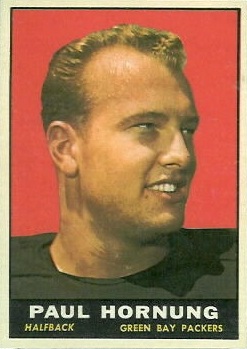
Football, halfback, Green Bay Packers, 1957–1966
Paul Hornung grew up in Louisville, raised by a single mother who worked to keep the family afloat. He became a star quarterback and halfback at Notre Dame, winning the Heisman Trophy in 1956 despite playing for a team that finished 2 and 8, still the only Heisman winner from a losing team.
The Green Bay Packers took him with the first pick in the 1957 draft, and he flourished under coach Vince Lombardi, who once called him the best all-around back he ever coached. Hornung led the NFL in scoring three straight seasons and set a scoring record in 1960 that stood for decades, earning the nickname “Golden Boy” for his combination of talent and charisma.
In 1963, the NFL suspended Hornung for a full season for betting on games, including his own. He returned in 1964 and helped the Packers win more championships before retiring in 1966. Hornung came home to Louisville for good afterward, building a career in real estate and staying a fixture in the city until his death in 2020, at 84, in the hometown he never really left.
Wes Unseld
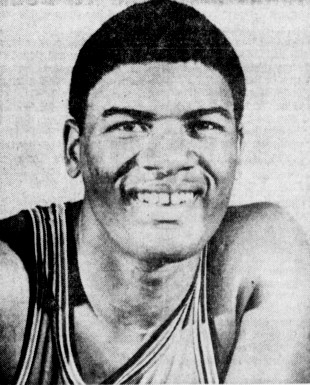
Basketball, center, Baltimore/Capital/Washington Bullets, 1968–1981
Westley Sissel Unseld was born and raised in Louisville, one of five brothers, and led Seneca High School to back-to-back state championships in 1963 and 1964. He stayed home for college, starring for the University of Louisville Cardinals before the Baltimore Bullets made him the second overall pick in the 1968 NBA draft.
He was an unlikely superstar: a bruising, undersized center who won games with outlet passes and rebounding rather than scoring. In his rookie season he was named both Rookie of the Year and Most Valuable Player, a feat only Wilt Chamberlain had matched before him. In 1978 he won an NBA championship with the Bullets and was named Finals MVP.
Unseld once said he expected any opponent to have more raw talent than he did, and simply tried to outwork them for 48 minutes until they wore down. After retiring he stayed with the Bullets and Wizards for decades as head coach and general manager. His son, Wes Unseld Jr., carried the family name into NBA coaching, and Louisville still counts him among the Cardinals’ greatest players.
Rajon Rondo
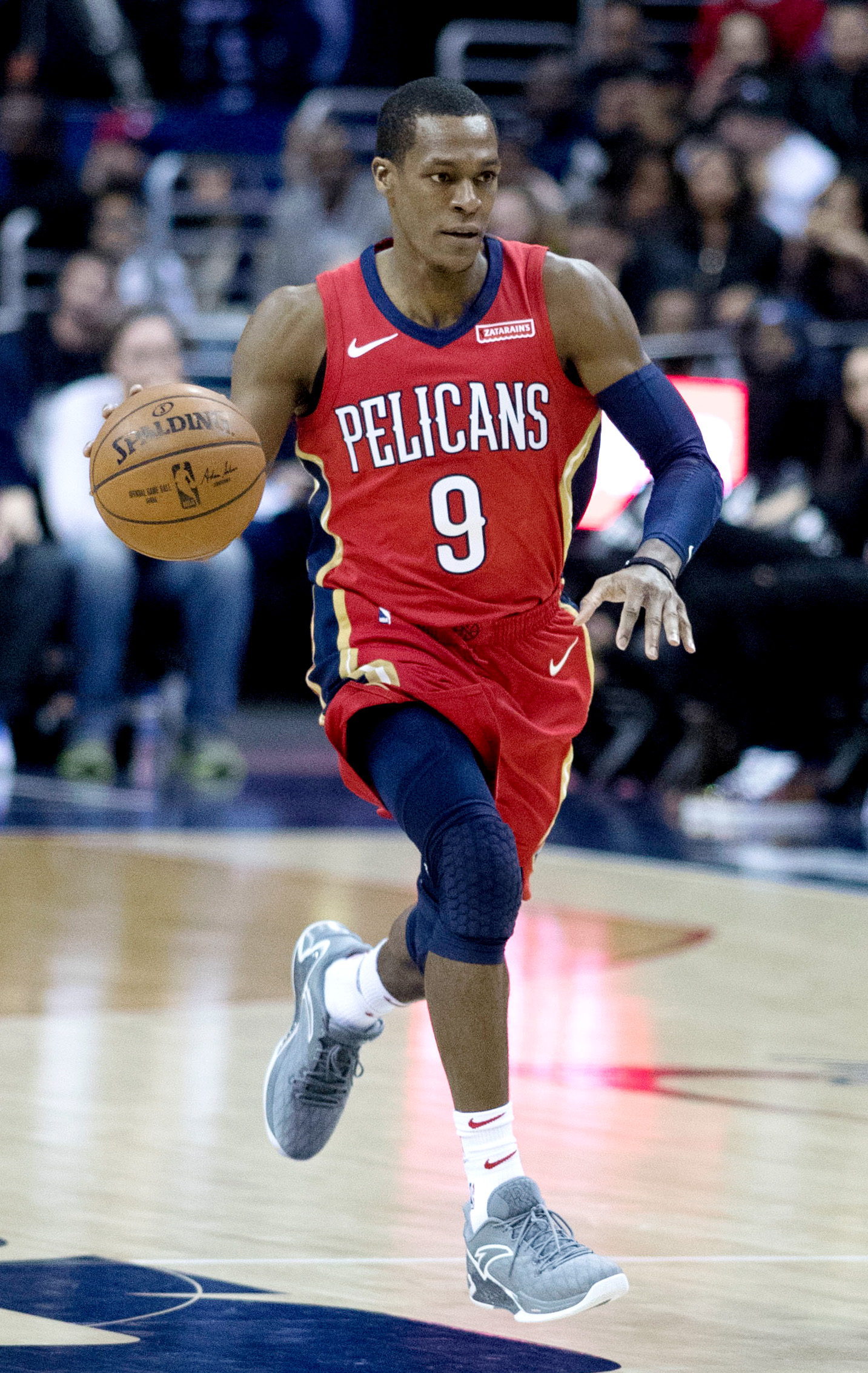
Basketball, point guard, NBA, 2006–2022
Rajon Rondo grew up in Louisville and starred at Eastern High School before finishing his senior year at Oak Hill Academy in Virginia. His mother steered him toward basketball over football, worried the rougher sport would be too hard on his lean frame. It turned out to be the right call.
He passed up hometown Louisville to play for the Kentucky Wildcats, a choice still debated by Cardinal fans, then left after two seasons for the NBA. Boston picked him 21st in 2006, and he developed into one of the league’s best pure point guards, leading the Celtics to the 2008 championship and back to the Finals in 2010. He later won a second title with the Lakers in 2020.
Rondo made four All-Star teams and earned a reputation as one of the smartest, most stubborn competitors of his generation, the kind of player coaches loved and officials did not. Eastern High School retired his jersey after his NBA career took off, a rare honor for a Louisville athlete who chose a rival college program over the hometown Cardinals.
D’Angelo Russell
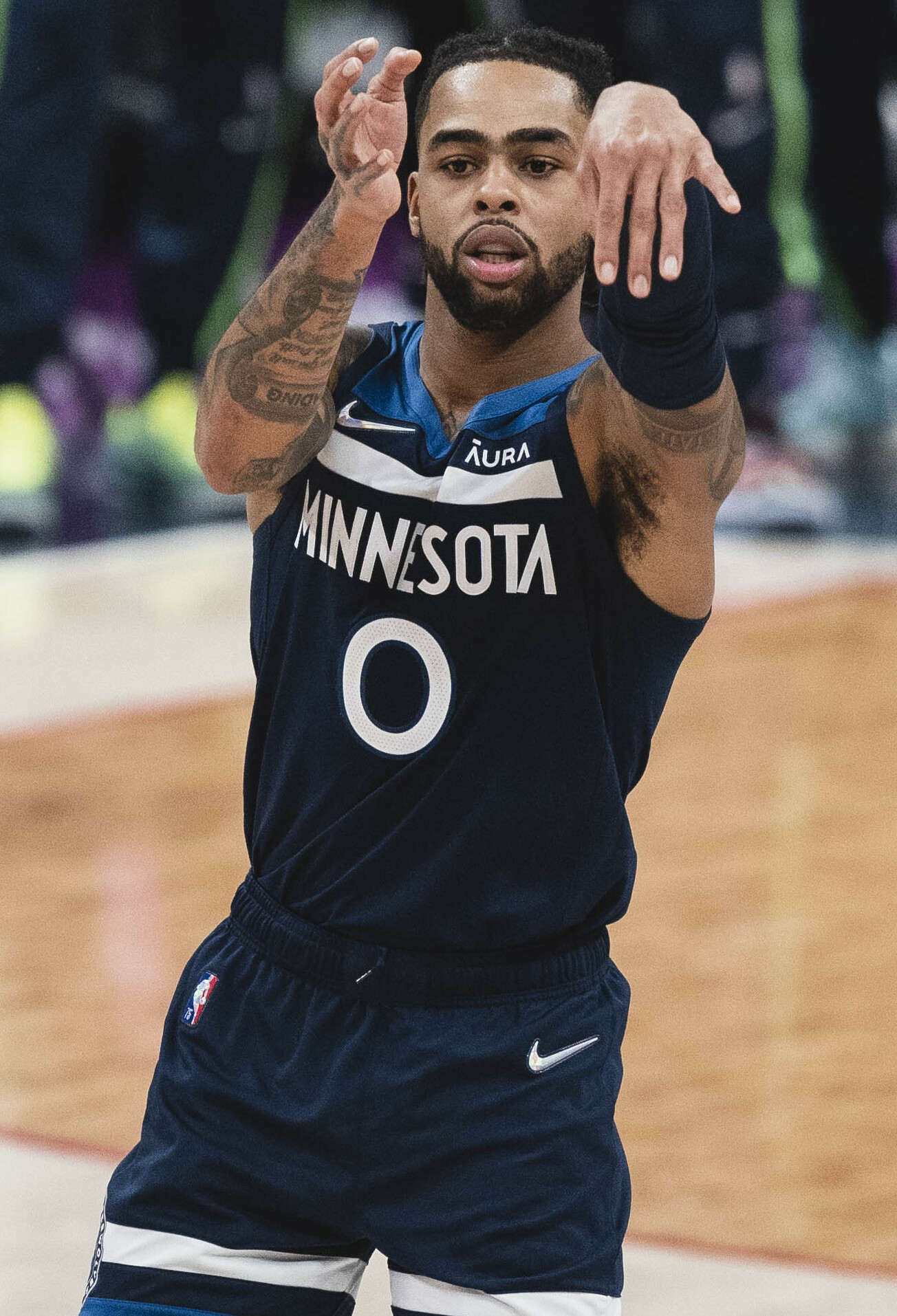
Basketball, point guard, NBA, 2015–present
D’Angelo Russell started high school at Louisville’s Central High School, the same school Muhammad Ali attended decades earlier, before transferring to Montverde Academy in Florida for tougher competition. He spent one season at Ohio State before entering the 2015 NBA draft, where the Los Angeles Lakers took him second overall.
Russell has played for several franchises since, including the Brooklyn Nets, Golden State Warriors, and Minnesota Timberwolves, along with two stints with the Lakers, earning an All-Star selection with Brooklyn in 2019. He is known as a sharp-shooting, playmaking guard capable of carrying an offense for long stretches.
Russell has talked about carrying Louisville’s basketball legacy forward, noting that when people think of the city’s hoops pedigree they think of Rajon Rondo and, now, him. He still returns to Louisville in the offseason and has spoken about wanting to give back to the community that raised him.
Allan Houston
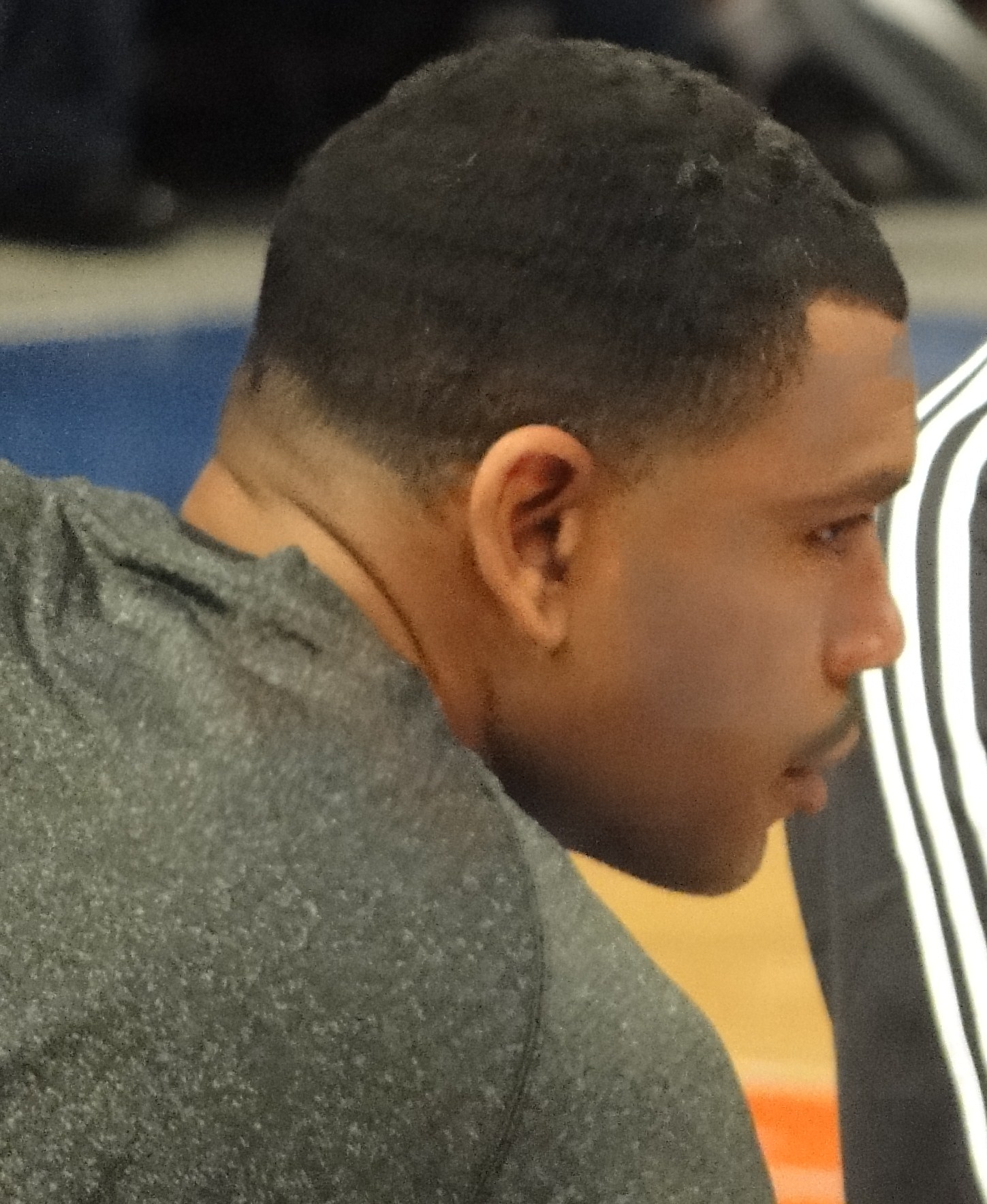
Basketball, shooting guard, NBA, 1993–2005
Allan Houston led Louisville’s Ballard High School to the 1988 state championship before following in the footsteps of his father, Wade Houston, a Louisville basketball pioneer who in 1962 became the first Black player to sign a scholarship with the University of Louisville. Allan chose to play instead for his father, who by then was head coach at the University of Tennessee, and graduated in 1993 as the school’s all-time leading scorer.
Detroit drafted him eleventh overall in 1993, and he later signed with the New York Knicks, where he spent nine seasons as one of the purest outside shooters in basketball. His signature moment came in Game 5 of the 1999 playoffs against Miami, when his running bank shot with 0.8 seconds left won the series, a shot Knicks fans still call simply “The Shot.”
Houston retired as one of the franchise’s all-time leading scorers and later returned to the Knicks front office as an executive. He has spoken often about how playing for his father in college brought them closer rather than driving them apart, a father-son story built on a Louisville basketball foundation two generations deep.
Darrell Griffith
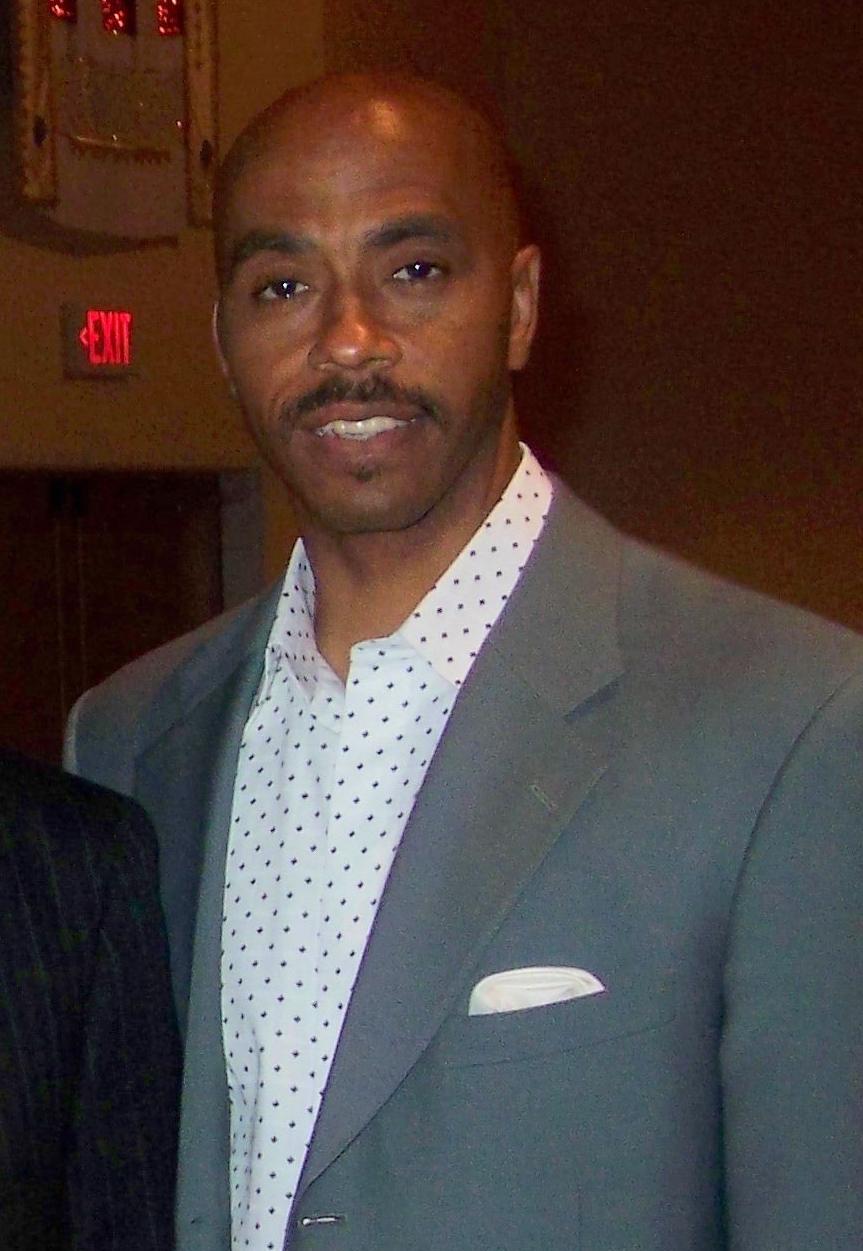
Basketball, guard, Utah Jazz, 1980–1991
Darrell Griffith grew up in Louisville and led Male High School to the 1975 state championship before choosing to stay home and play for the University of Louisville Cardinals, to the delight of local fans who worried he might leave for a bigger program. He rewarded that loyalty in 1980, scoring 23 points in the national championship game as Louisville beat UCLA, 59 to 54, for the school’s first NCAA title.
His hang time and vertical leap earned him the nickname “Dr. Dunkenstein,” and he was named the Final Four’s Most Outstanding Player that year before winning the John Wooden Award as the sport’s top player. Utah drafted him in the first round in 1980, and he spent his entire eleven-year NBA career with the Jazz, winning Rookie of the Year honors in 1981.
Griffith remained closely tied to Louisville throughout his career and after it, staying active in the community and serving as an ambassador for University of Louisville basketball. The city later named a downtown street after him, a permanent marker for the player who brought the university its first men’s basketball championship.
Junior Bridgeman
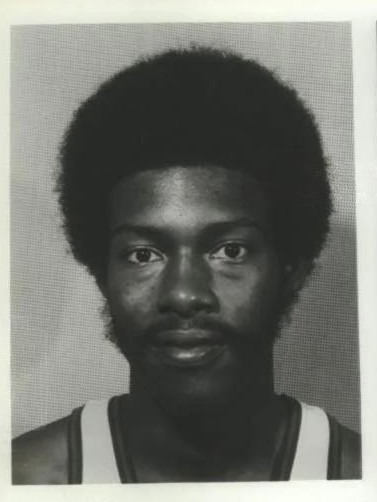
Basketball, forward, NBA, 1975–1987; businessman
Junior Bridgeman was born in East Chicago, Indiana, not Louisville, but the city claims him anyway for what he built at the University of Louisville and afterward. Playing for Hall of Fame coach Denny Crum, he scored more than 1,300 points in three seasons and led the Cardinals to the 1975 Final Four.
The Los Angeles Lakers drafted him eighth overall in 1975, then immediately traded him to Milwaukee as part of the deal that sent Kareem Abdul-Jabbar to Los Angeles. Bridgeman spent most of his 12-year NBA career with the Bucks, ranking third in franchise games played behind only Giannis Antetokounmpo and Khris Middleton, and his number was retired by Milwaukee in 1988.
What set Bridgeman apart came after basketball. He built a business empire from his playing earnings, eventually owning more than 450 Wendy’s and Chili’s franchise locations across 20 states, along with a Coca-Cola bottling operation and Ebony and Jet magazines. He became one of the wealthiest former athletes in the country, proof that his sharpest move may have come after his jersey was retired. Bridgeman died in 2025 at 71.
Mary T. Meagher
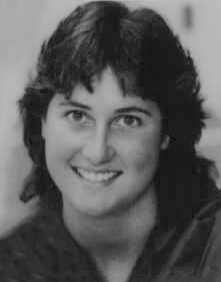
Swimming, butterfly, Olympic gold medalist, 1980s
Mary T. Meagher grew up in Louisville and started swimming competitively as a child, quickly showing a gift for the butterfly stroke that would define her career. In 1979, at just 14, she set her first world record, and by 16 she held both the 100 and 200 meter butterfly world records, marks so far ahead of the competition that reporters started calling her “Madame Butterfly.”
Her 200 meter butterfly record, set in 1981, stood for nineteen years. She missed the 1980 Moscow Olympics entirely because of the U.S. boycott, one of the sport’s great what-ifs, but got her chance in 1984 in Los Angeles, winning three gold medals, two individual and one relay.
Meagher retired as one of the greatest swimmers in American history and returned to Louisville, where the city named its downtown public pool the Mary T. Meagher Aquatic Center in her honor. She has stayed connected to swimming and to her hometown ever since. Read more about her career.
Adam Duvall
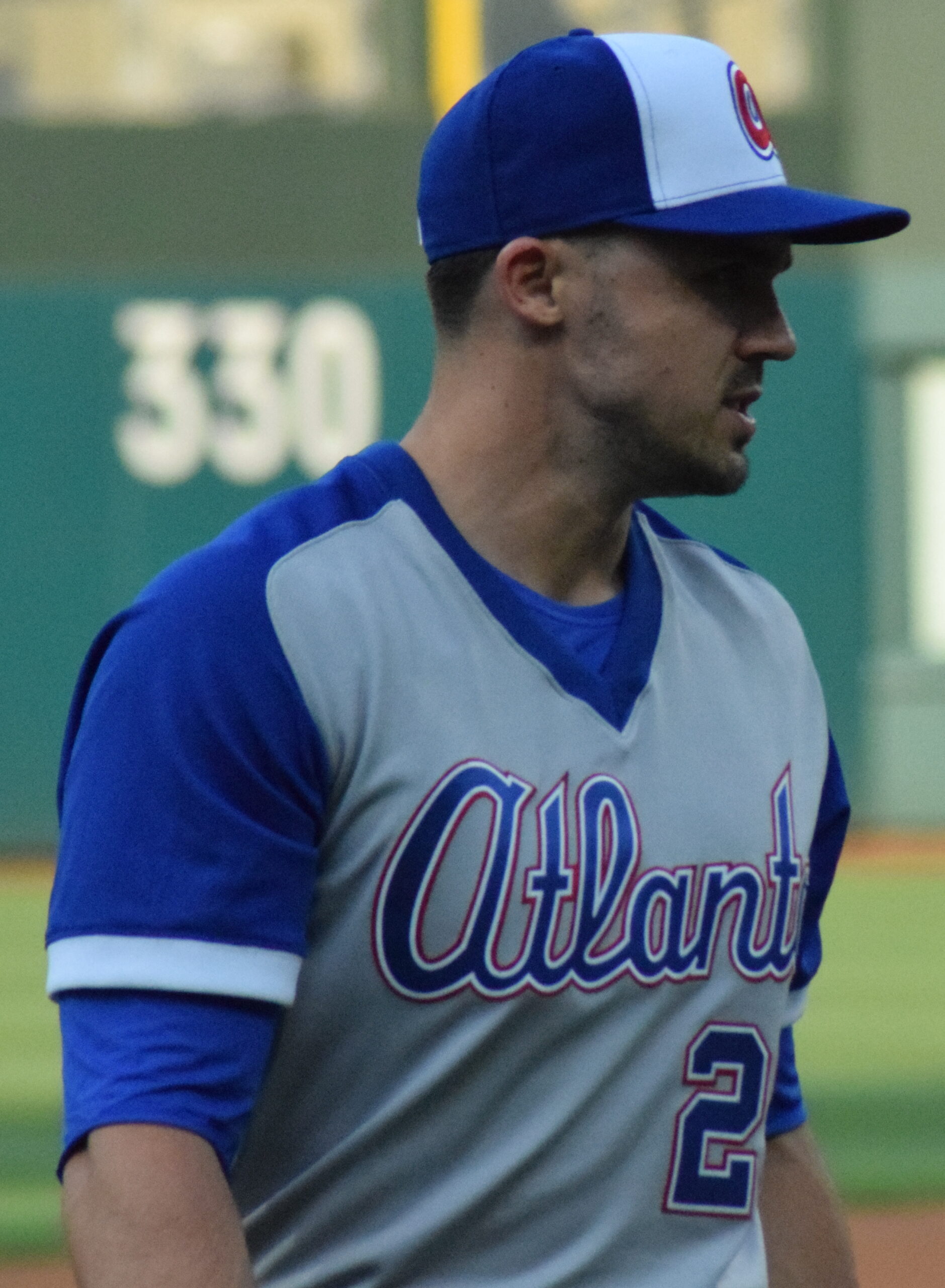
Baseball, outfielder, MLB, 2014–present
Adam Duvall grew up in Louisville and played shortstop at Butler High School, hitting .375 as a senior, before a cracked vertebra suffered on a diving catch wiped out the rest of his final year. The injury didn’t stop his path to pro ball; the San Francisco Giants drafted him and converted him into a power-hitting outfielder in the minors.
He broke out with the Cincinnati Reds, making the 2016 All-Star team and twice leading National League outfielders in home runs, before later stints with Atlanta, Miami, and Boston. Duvall has built a reputation as one of the game’s hardest workers, a player teammates describe as constantly in the batting cage studying pitchers rather than relying on raw talent alone.
Duvall has kept close ties to Louisville, training in the city during offseasons and crediting his hometown coaches for developing the swing that turned him into a big league power hitter, proof that Louisville’s baseball pipeline runs well beyond the Slugger factory downtown.
DeVante Parker
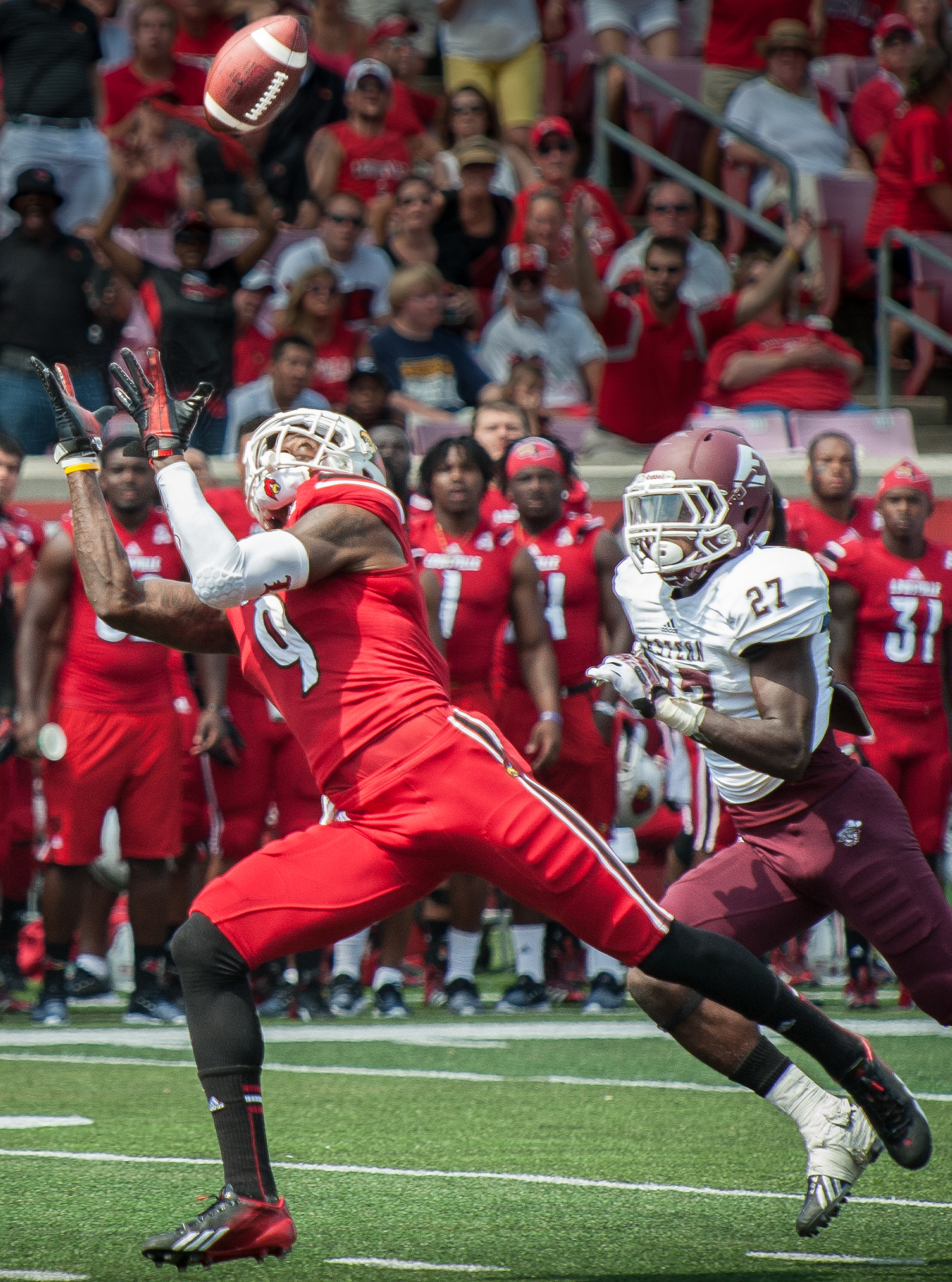
Football, wide receiver, NFL, 2015–2024
DeVante Parker was a three-sport star at Louisville’s Ballard High School, competing in football, basketball, and track before choosing football at the University of Louisville. He set a school record with 33 touchdown catches for the Cardinals and became a first round pick, taken 14th overall by the Miami Dolphins in 2015.
Parker played nine NFL seasons, mostly with Miami and later New England, finishing with more than 5,600 receiving yards and 27 touchdowns over 119 games. He was never quite the superstar his draft position promised, but he carved out a long, steady career as a reliable possession receiver in a league that chews through wide receivers quickly.
Parker retired in 2024 to spend more time with his children, a decision he explained simply: he wanted to watch them grow up rather than watch more film. Ballard High School has celebrated him as one of its own, honoring the hometown Cardinal who made good on a first round promise.
Gus Bell
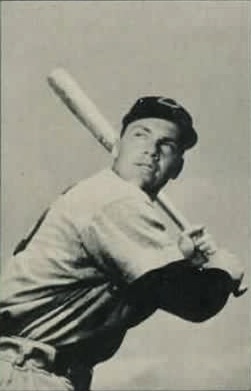
Baseball, outfielder, MLB, 1950–1964
Gus Bell grew up in Louisville and graduated from Flaget High School before signing with the Pittsburgh Pirates and breaking into the majors in 1950. He found his greatest success after a trade to the Cincinnati Reds, where he made four All-Star teams in the 1950s as a power-hitting center fielder, twice driving in more than 100 runs in a season.
Bell later played for Milwaukee and finished his career with the 1962 New York Mets, one of the original members of a famously bad inaugural roster. He retired with 206 home runs and a .281 career batting average across 15 seasons.
Bell became the patriarch of one of baseball’s great families. His son Buddy played 18 major league seasons and later managed in the majors, and his grandsons David and Mike Bell both played and later managed as well. Gus and David remain the only grandfather-grandson pair in major league history to each hit for the cycle, a Louisville baseball bloodline that has now run for three generations.
Jo Adell
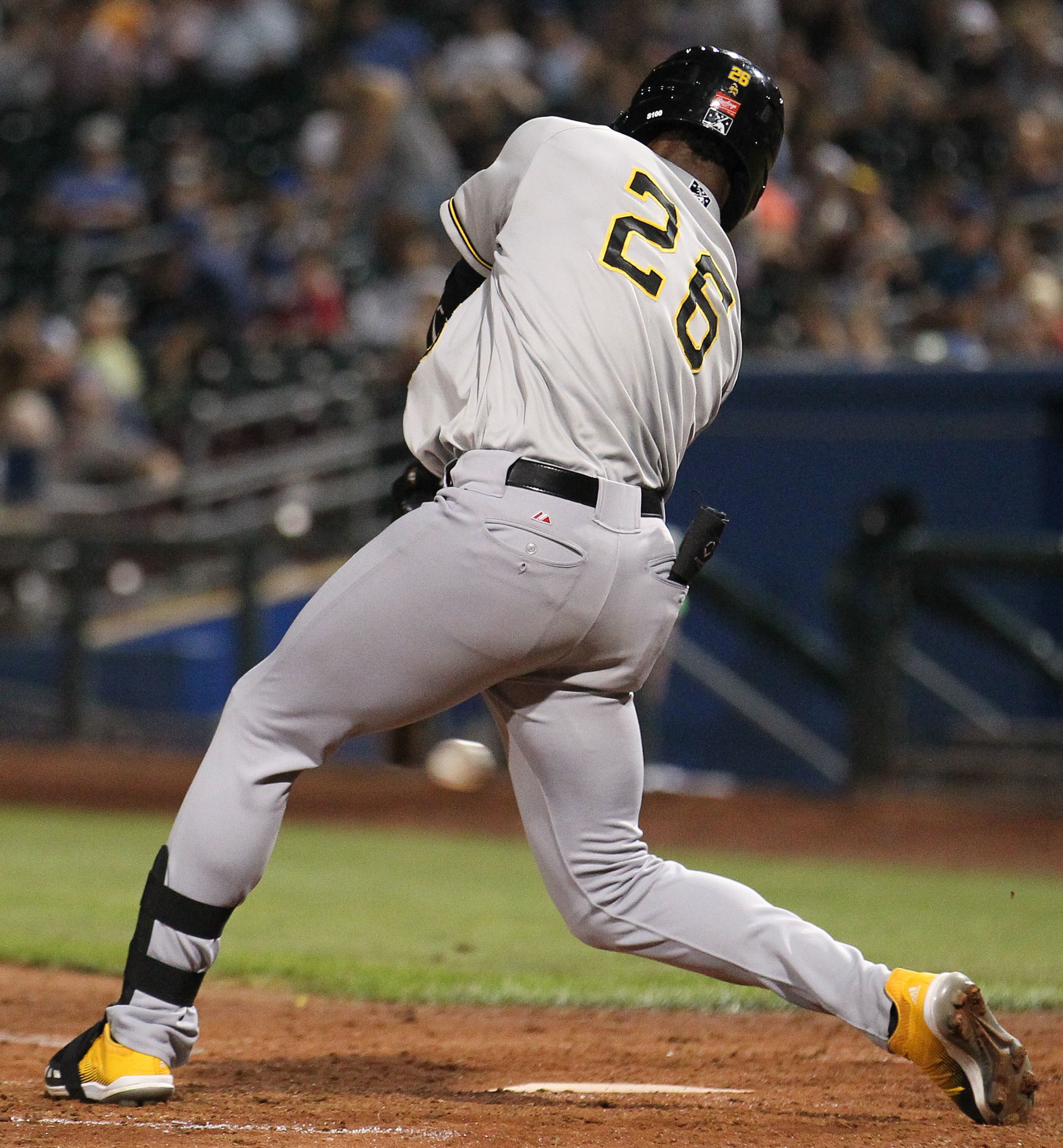
Baseball, outfielder, MLB, 2020–present
Jo Adell graduated from Louisville’s Ballard High School in 2017, the same school that produced DeVante Parker and Allan Houston, after a senior season so dominant he hit .562 with 25 home runs. The Los Angeles Angels made him the tenth overall pick in that year’s draft, and he was ranked among the sport’s very best prospects almost immediately.
Adell had briefly committed to play college baseball at the University of Louisville before deciding to turn pro straight out of high school, saying at the time that he felt ready and that the Angels’ organization believed in him. His early big league years were a mixed bag of huge raw power and swing-and-miss growing pains typical of a player who skipped college entirely.
Adell has continued developing in the majors, working to turn his prodigious tools into consistent production. Ballard High School’s run of MLB and NFL talent, with Adell alongside Parker, has made the school one of the most productive athletic pipelines in the city’s history.
Phil Simms
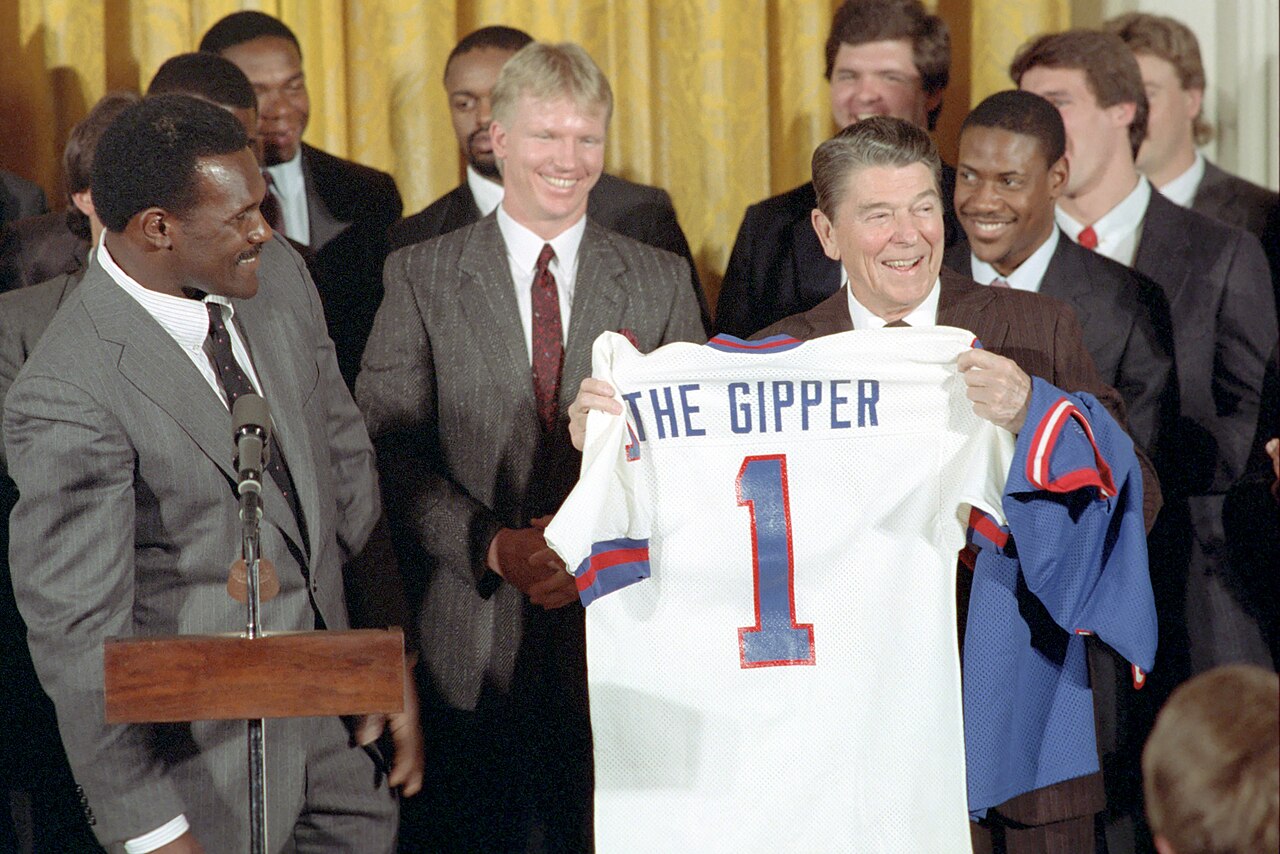
Football, quarterback, New York Giants, 1979–1993
Phil Simms was born on his grandfather’s farm in Springfield, Kentucky, but his family moved to Louisville while he was still in elementary school. He attended St. Rita Catholic grade school and later quarterbacked Southern High School, graduating in 1974, before heading to Morehead State to play college football away from the spotlight of bigger programs.
The New York Giants surprised many by taking him seventh overall in the 1979 draft, a small-college quarterback few national writers had heard of. Simms battled injuries for years before putting it together in the mid-1980s, culminating in a near-perfect performance in Super Bowl XXI, when he completed 22 of 25 passes to beat the Denver Broncos and earn Super Bowl MVP honors.
Simms spent his entire 15-year career with the Giants and later became one of television’s most recognized football broadcasters, calling games for CBS for two decades. Kentucky has claimed him ever since, inducting him into the Kentucky Pro Football Hall of Fame as one of the state’s greatest football exports. Read more about Phil Simms.