Every American city has an origin story. Louisville’s begins on a sandbar.
In the spring of 1778, a small island split the Ohio River. It sat just above a two-mile stretch of rock and rapids called the Falls of the Ohio. A Virginia militia officer named George Rogers Clark chose that island to make camp. He had no way of knowing what he was starting. That camp would grow into a city that hosts the most famous two minutes in American sports, ships bourbon around the world, and gave baseball its most famous bat.
Here is that story, from the sandbar to today.
Corn Island and the Founding of a River Town
Clark was in the middle of a military campaign, not a real estate venture. He led roughly 150 soldiers north across the frontier, a group recruited in Virginia and Pennsylvania known as the Illinois Regiment. Their target was the British-held Illinois Country. On May 12, 1778, the expedition set out from Redstone, Pennsylvania. It brought along something unusual for a military column: about 80 civilians hoping to claim farmland and start a new settlement in Kentucky.
On May 27, 1778, Clark chose a small island at the Falls of the Ohio to set up camp. He named it Corn Island. It became the first, brief home of the settlement that would become Louisville. Soldiers helped the civilians clear land, build cabins, and dig a springhouse while Clark pushed on toward his campaign in the north. The island itself is gone now, worn away by the river and buried under later dam construction. A marker on the Louisville waterfront still notes roughly where it stood.
The settlers moved to the mainland the following spring. At a public meeting on April 17, 1779, they established the town on the Kentucky shore. They named it in honor of King Louis XVI of France, whose government had just backed the American Revolution. The Virginia General Assembly made it official on May 1, 1780, when Governor Thomas Jefferson approved Louisville’s town charter. The irony, of course, is that the king the city is named for never set foot here.
Life at the Falls
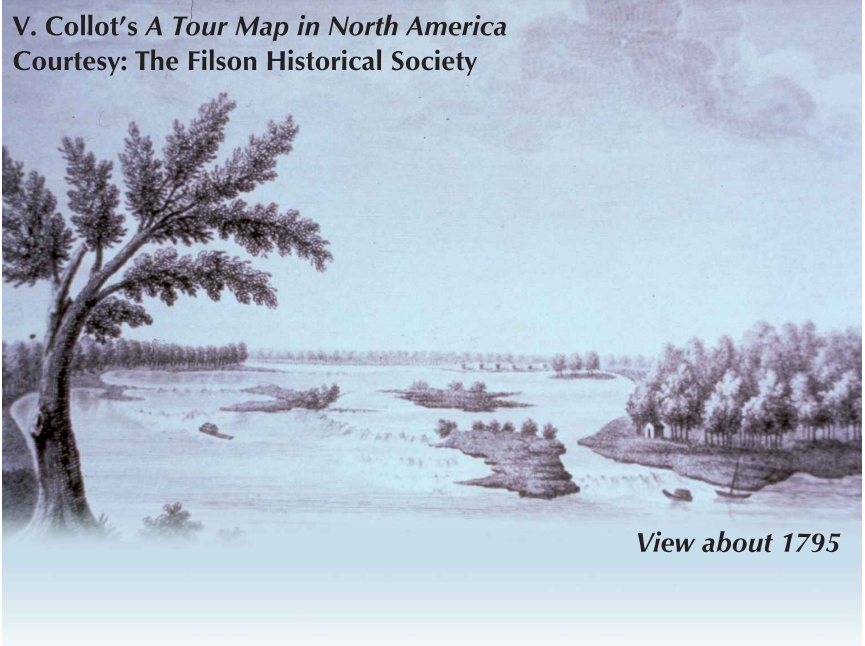
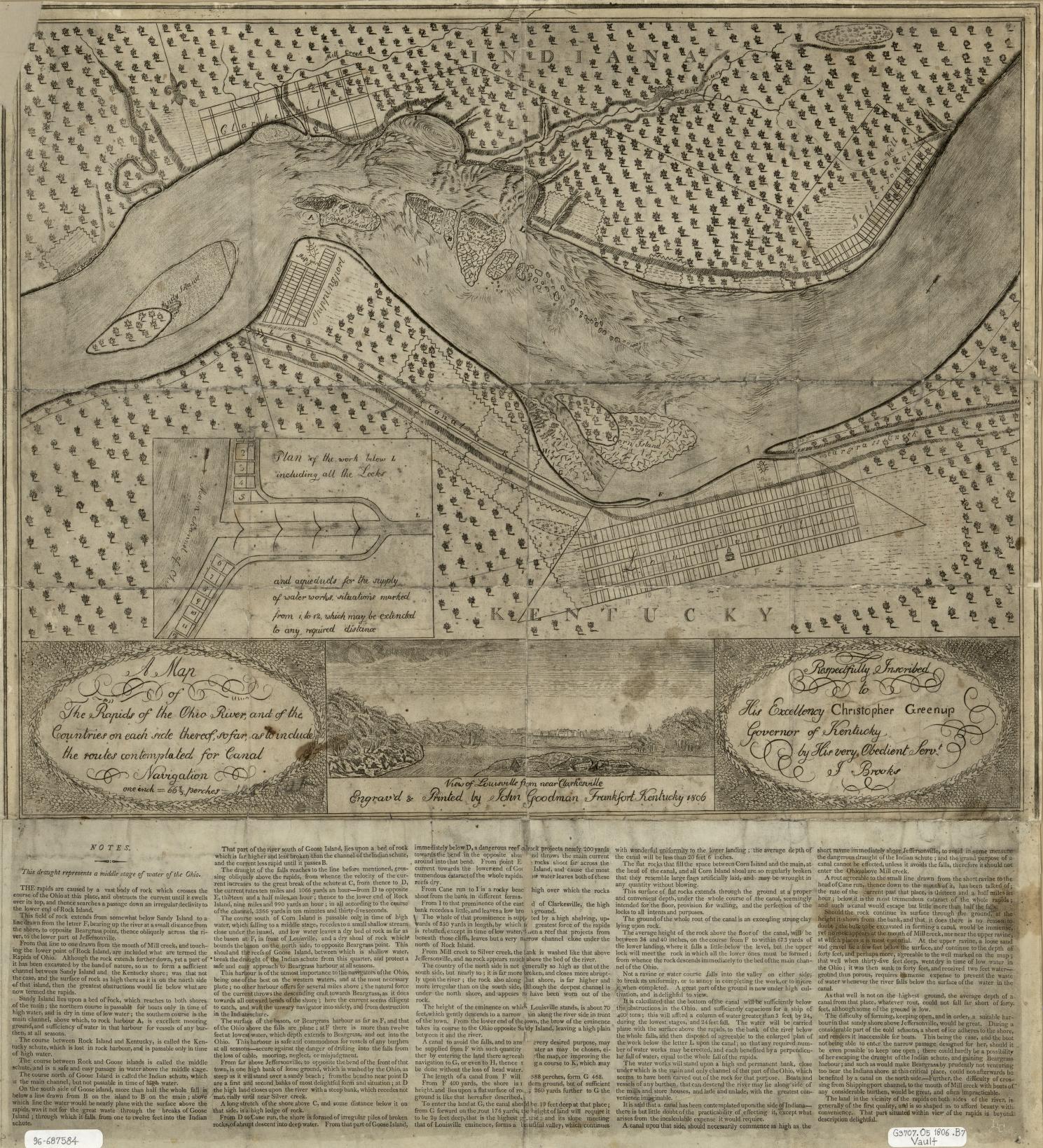
The Falls of the Ohio were the only real obstacle to river navigation between Pittsburgh and New Orleans. That single fact built three towns at once. Louisville, Portland, and Shippingport all grew up around the business of portage, hauling cargo overland around the rapids except for a few weeks each spring when high water covered them. Warehouses, wagon yards, and inns filled up around the portage route. By the early 1800s, Louisville was already the largest of the three towns and growing fast.
That arrangement lasted half a century. It ended when the Louisville and Portland Canal opened in 1830, cutting a 1.9-mile channel around the Falls. Traffic exploded almost immediately. Tonnage moved through the canal nearly doubled, from 170,000 tons in 1834 to 300,000 tons in 1839. Toll receipts climbed from roughly $12,750 in 1831 to more than $145,000 by 1837. Louisville boomed. Portland and Shippingport, its onetime partners in the portage business, slid into the background and never fully recovered.
Steamboats and the Antebellum Boom
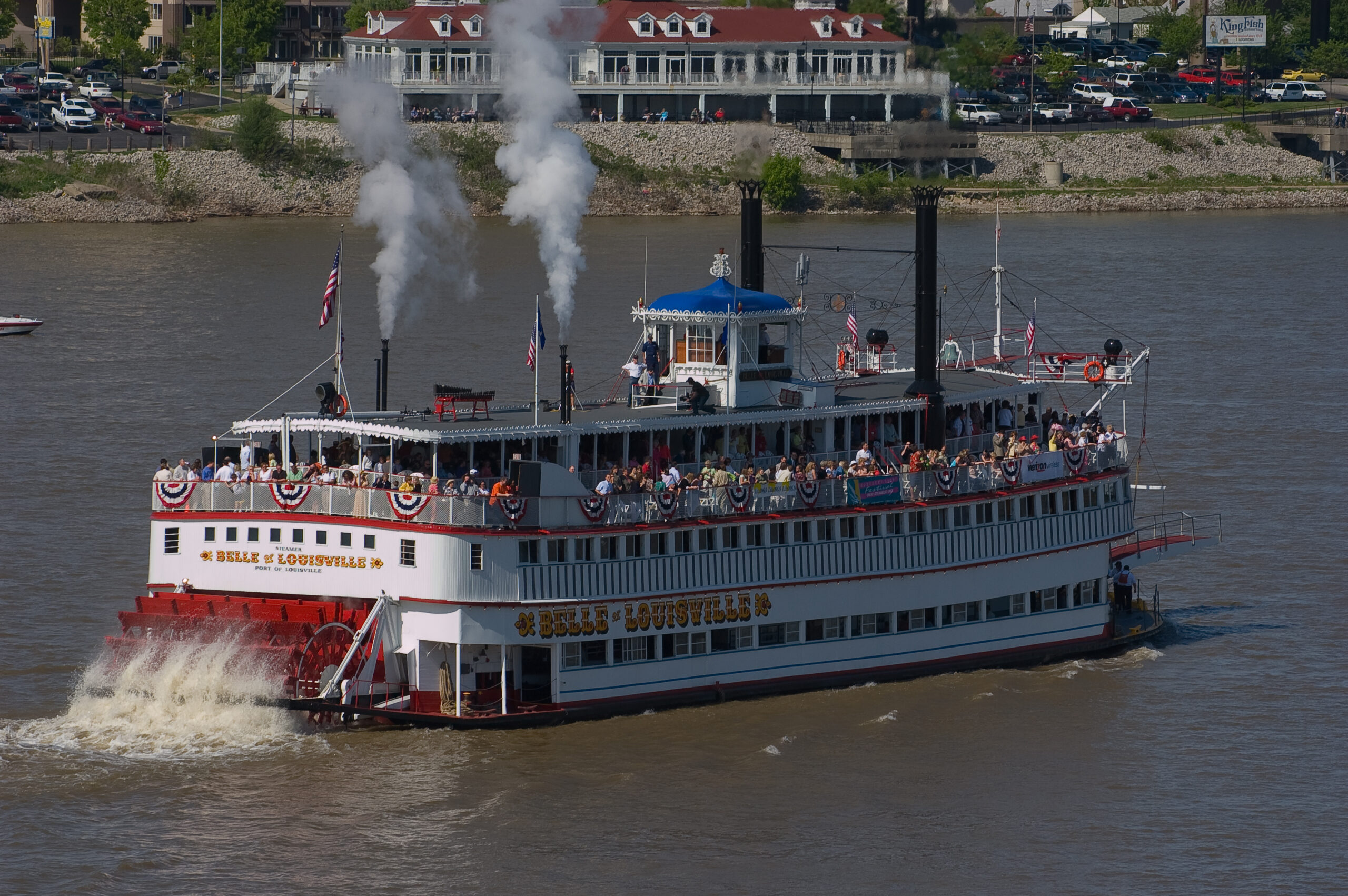
By the middle of the 19th century, Louisville was one of the busiest river ports in the country. It was a trading and distribution hub for tobacco, hemp, and pork moving between the upper Ohio Valley and the Deep South. The wharf along the riverfront filled with steamboats loading and unloading cargo bound in every direction. The city’s population nearly tripled between 1830 and 1850, as merchants, tradesmen, and immigrant laborers, many of them German and Irish, poured in to work the boom.
That prosperity had a dark side. Louisville was also home to a large slave market. Enslaved people were regularly sold south from the city, even though the city held both slaveholders and abolitionists among its residents. The tension between those two Louisvilles, one built on the river trade and one built on human bondage, would come to a head within a decade.
A Border City at War
We would soon fill all the places of confinement in Louisville were we to arrest and imprison all who may be dangerous.
General William Tecumseh Sherman, on the volume of suspected Confederate sympathizers in Louisville, 1862
Kentucky tried to stay neutral when the Civil War began. Louisville became the proving ground for whether that neutrality could hold, and it didn’t. By early 1862, roughly 80,000 Union troops were stationed in and around the city. It served as a supply, recruiting, and transportation hub for the entire Western Theater, largely through the Louisville and Nashville Railroad.
Loyalties in the city split along class lines more than anything else. Many of Louisville’s wealthiest merchants favored the Confederacy. The professional class, small business owners, and laborers tended to back the Union. Union control, once established, was firm.
For Louisville’s Black residents, the Union occupation offered something local authorities never had: real protection. Thousands of enslaved people fled to the city during the war. By July 1864, more than one hundred Black men a day were enlisting in the Union Army at Taylor Barracks. The city itself was never directly attacked, though fighting broke out nearby at Perryville and across the river at Corydon, Indiana.
Rebuilding and the Gilded Age
Louisville came out of the war as a rail and manufacturing center, and the postwar decades were good to it. The Louisville and Nashville Railroad expanded rapidly through the South. The city’s riverfront warehouse district, now known as Whiskey Row, filled with distillers bottling and aging what was becoming Kentucky’s signature export. Louisville marketed itself hard as the “Gateway to the South,” a hub for tobacco, hardwood, and farm goods moving between the industrial North and the agricultural South.
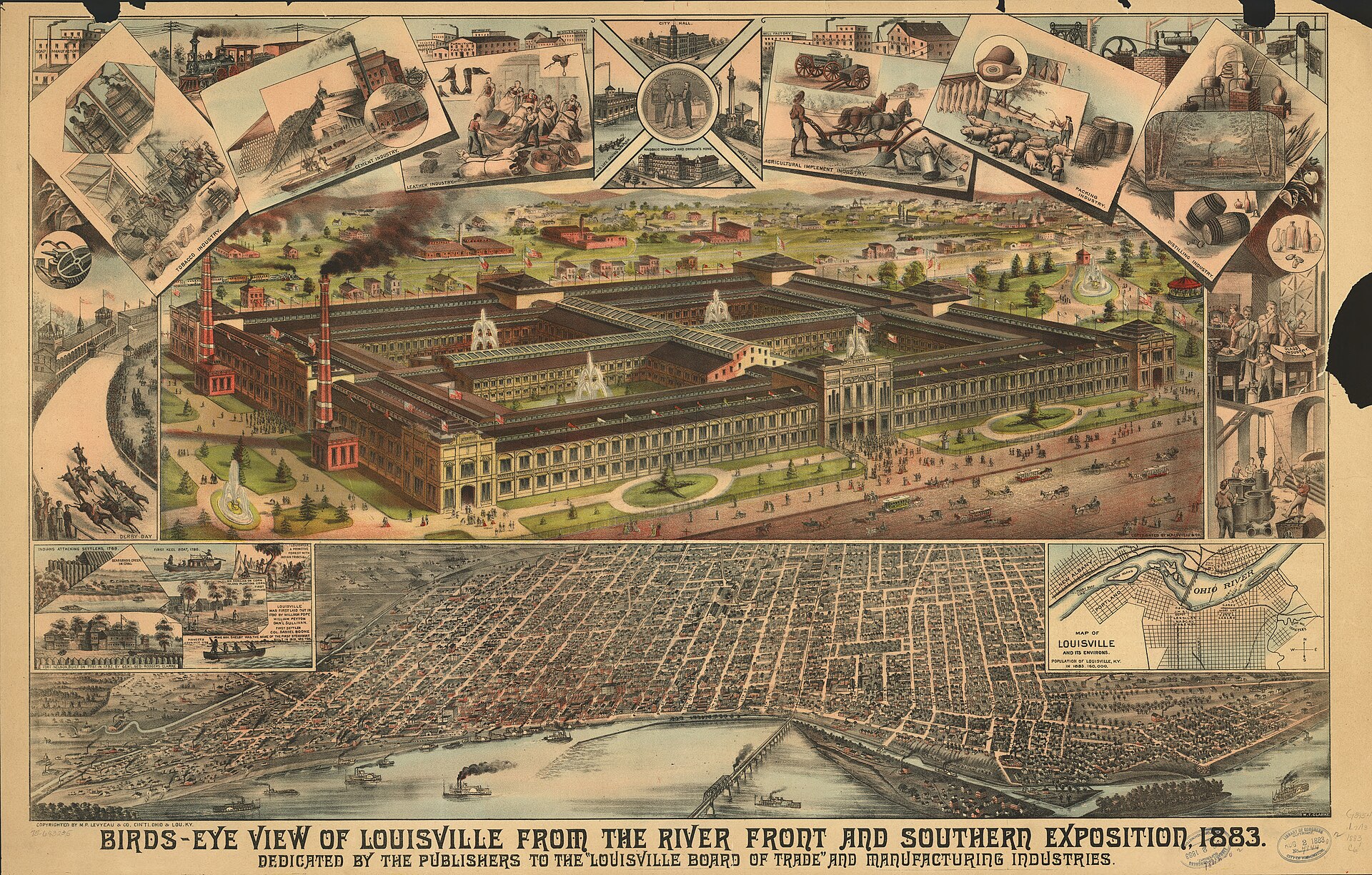
In 1875, a new racetrack called Churchill Downs opened on the edge of town and ran its first Kentucky Derby. Few people at the time could have guessed it would grow into the most famous race in American sports. Eight years later, the city threw open the doors of the Southern Exposition, a five-year run of exhibitions that drew visitors from across the country. It previewed one of the largest electric lighting displays anyone had seen up to that point. In 1884, a young Louisville woodworker named John “Bud” Hillerich turned a bat on his father’s lathe for a slumping local ballplayer named Pete Browning. Browning went 3-for-3 with the new bat. The Louisville Slugger was born, and the Hillerich family business still makes bats downtown today.
An Industrial Twentieth Century
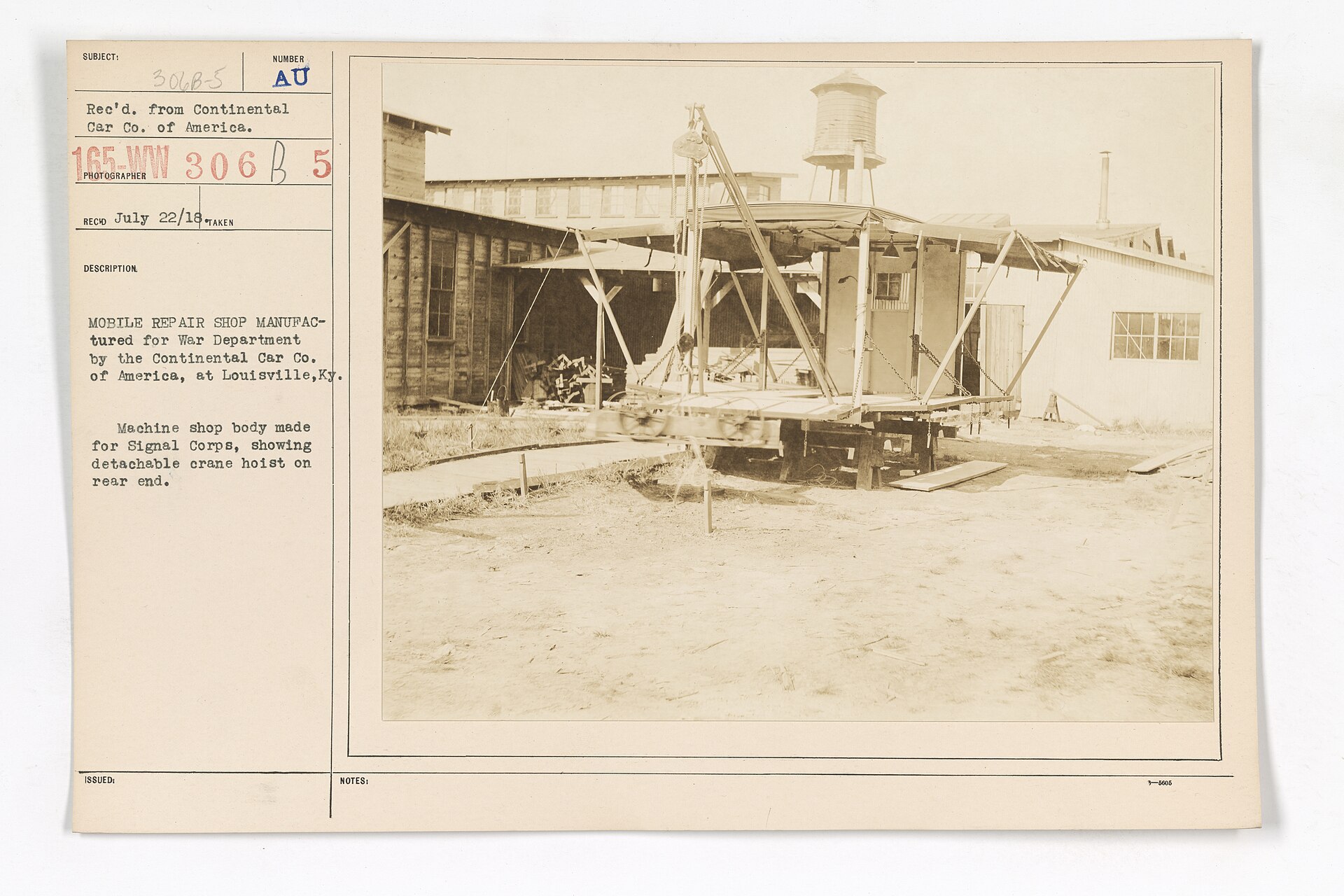
Louisville spent the first half of the 20th century turning itself into a manufacturing city. Tobacco warehouses, meatpacking plants, and distilleries anchored the economy through the 1920s. Both World Wars brought heavy industry to town, including wartime production of synthetic rubber and naval ordnance.
The clearest symbol of that era arrived in 1951. General Electric broke ground on a 900-acre manufacturing complex on the city’s east side called Appliance Park. The first shipment, a carload of automatic dryers bound for Texas, rolled out in February 1953. Within a year, the plant employed more than 4,000 people building washers, dryers, ranges, and dishwashers for homes across the country. In 1954, Appliance Park became the first private business in America to install a UNIVAC computer to help run its operations. It is a small, strange footnote in the history of both Louisville and computing.
Flood, Depression, and a City Remade
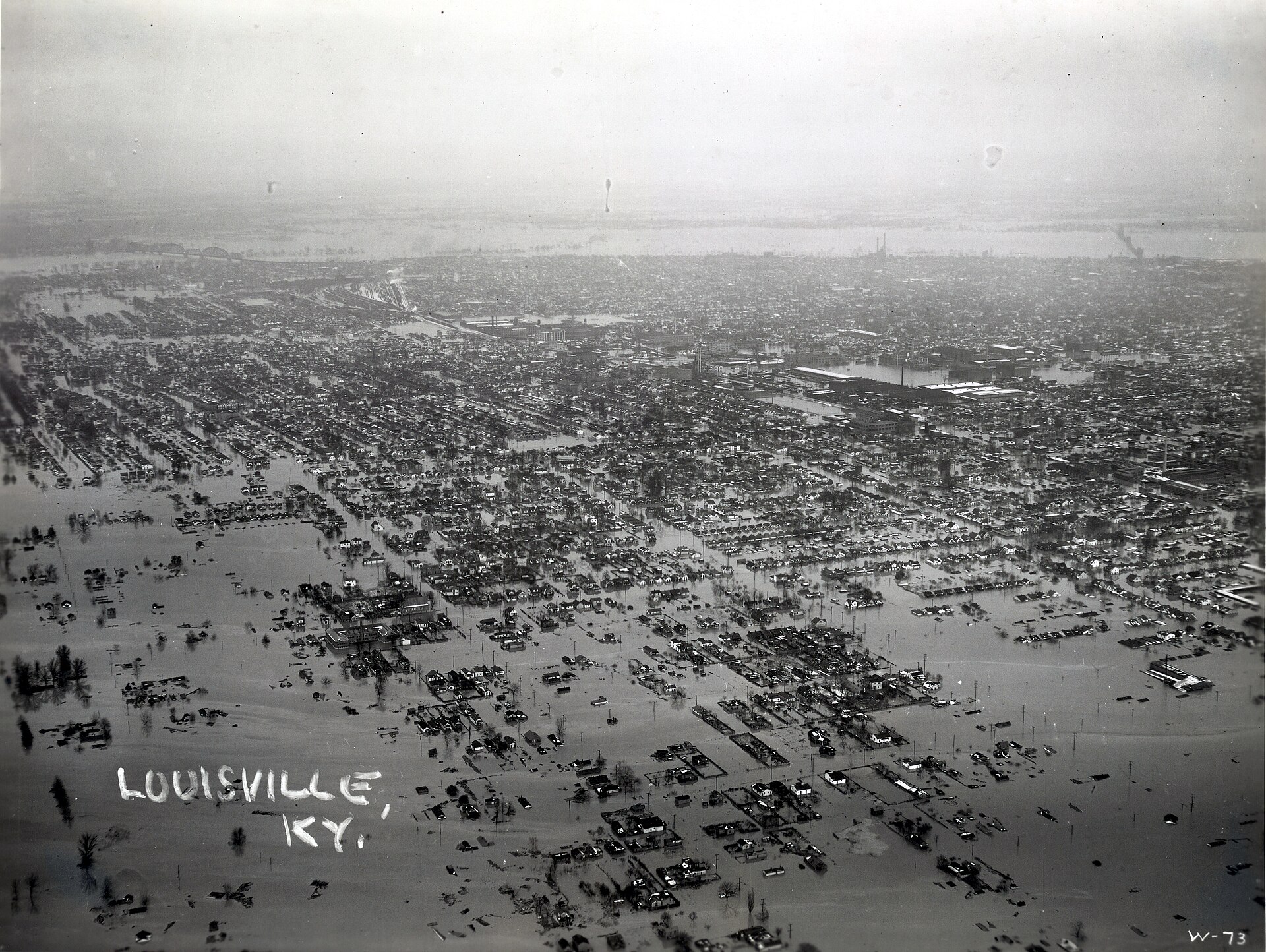
In late January and early February of 1937, weeks of rain sent the Ohio River to a record crest of 57 feet in Louisville. Nearly seventy percent of the city went underwater. Roughly 175,000 people were forced from their homes. Light and water service failed across the city, and two riverside neighborhoods, Shippingport and The Point, were essentially wiped off the map.
The flood permanently changed the shape of the city. New development shifted east, away from the floodplain, and that shift concentrated wealth and growth on Louisville’s east side for decades afterward. It also convinced the federal government to act. Construction began in 1948 on a floodwall system that eventually stretched 29 miles around the city, a project that took nearly 40 years to finish.
The Fight for Open Housing
I had won the gold medal for America, but I still couldn’t eat in this restaurant in my hometown.
Muhammad Ali, recalling being refused service at a Louisville restaurant after winning Olympic gold in 1960
Louisville integrated its lunch counters and public spaces more peacefully than many Southern cities, but not without a fight. NAACP and CORE activists led campaigns for open accommodations through 1961. The West End Community Council, founded back in 1945, spent the decade pushing for open housing, equal city services, and school integration in Louisville’s historic Black neighborhoods. On May 1, 1963, the city passed a public accommodations ordinance. It was a genuine milestone, even though the deeper work of integration continued for years afterward.
One young Louisvillian felt the gap between the city’s progress and its promises more than most.
Ali grew up on Louisville’s west side during exactly this period. His frustration with a city that celebrated him as a champion while still segregating its lunch counters became a defining part of his story, and the city’s.
One City, One County
By the late 1990s, Louisville was losing population and tax base to its own suburbs. Business and political leaders began pushing to merge the city with surrounding Jefferson County. Opponents worried about higher taxes and a bloated bureaucracy. They also warned of lost political power for Black voters, who made up a significant share of the city’s population but a much smaller share of the county’s. Supporters argued merger would boost efficiency and economic development. In November 2000, voters approved the merger by a narrow but clear margin, 54 percent to 46 percent.
Louisville and Jefferson County officially merged on January 1, 2003. Overnight, the newly consolidated Louisville Metro jumped from the 65th largest city in the country to the 18th. That ranking reflected consolidated population more than any sudden growth, but it was a milestone all the same.
Louisville Today
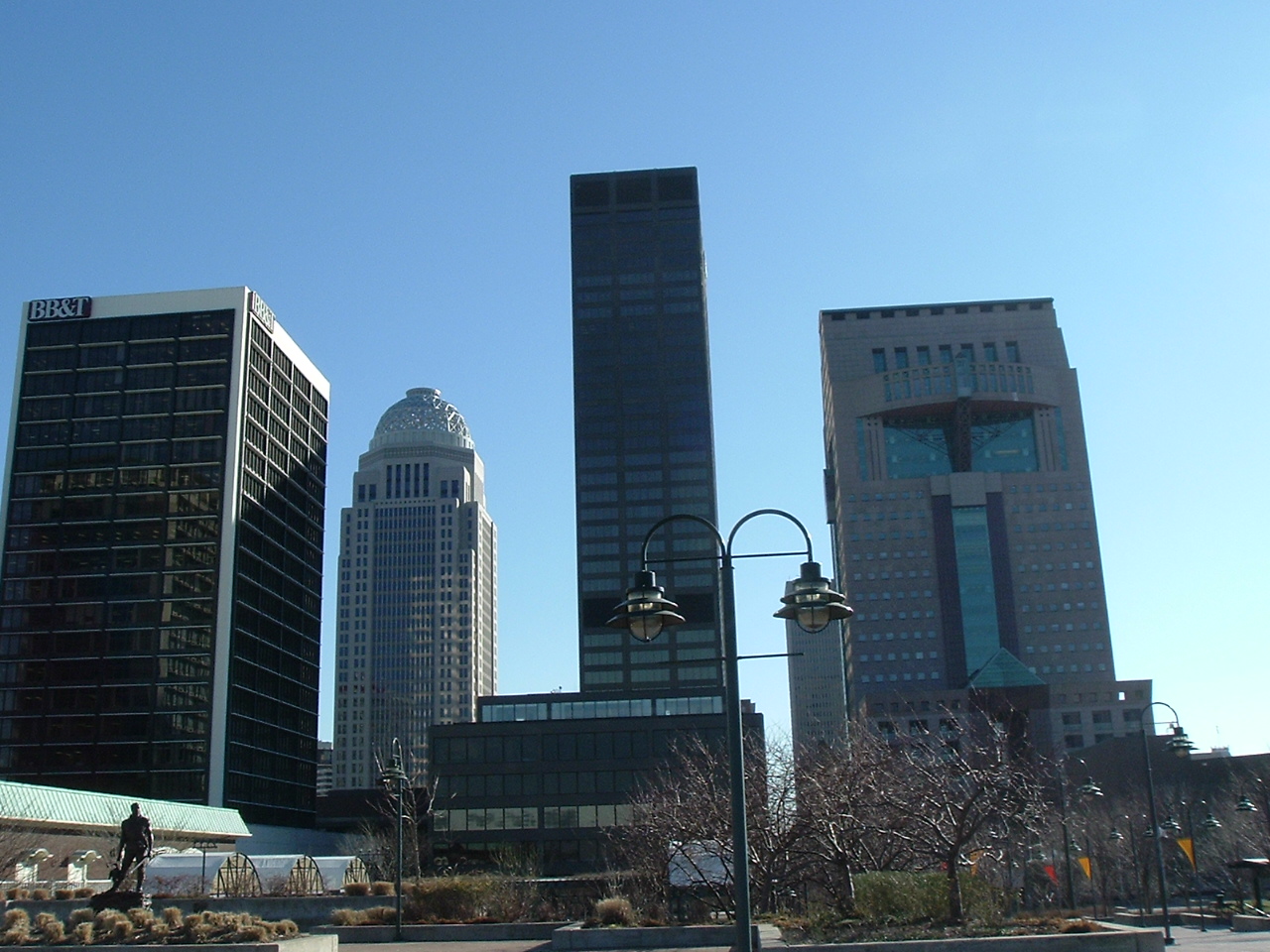
Modern Louisville runs on a strange but effective combination of old industry and new appetite. UPS built its global air hub, Worldport, here, turning the city into one of the busiest cargo airports on Earth. Healthcare and insurance giant Humana is headquartered downtown. Louisville-based Yum Brands runs KFC, Taco Bell, and Pizza Hut from an office tower a few blocks from where Corn Island once sat.
At the same time, the bourbon industry that once filled Whiskey Row’s warehouses has turned into a full-blown tourism engine. Distillery tours, the bourbon trail, and cocktail history now draw visitors who want to see where their drink actually comes from. Waterfront Park, built on former industrial land along the river, gives the city a green front porch it never really had before. Museums like the Louisville Slugger Museum and the Muhammad Ali Center turn two of the city’s proudest names into places you can actually visit.
The Derby still runs every May. The Slugger Museum still turns out bats downtown. A city that once argued over lunch counters now markets its food and drink culture as a reason to visit. If you’re planning a trip, the Encyclopedia of Louisville is still the single best reference for digging deeper into any thread in this story. A stay at the historic Brown Hotel, home of the original Hot Brown, puts you within walking distance of most of it.
More from the story: The Kentucky Derby · Muhammad Ali · Bourbon Basics · The Pendennis Club · Mayors of Louisville
Sources and further reading
- History of Louisville, Kentucky (Wikipedia)
- Louisville and Portland Canal (Wikipedia)
- Louisville in the American Civil War (Wikipedia)
- Ohio River flood of 1937 (Wikipedia)
- GE Appliance Park (Wikipedia)
- A 10-Year Perspective of the Merger of Louisville and Jefferson County, KY (CGR/Abell Foundation)
- The Encyclopedia of Louisville, edited by John E. Kleber